Arunachal cabinet tightens ILP rules, announces austerity measures and new anti-exam leak safeguards
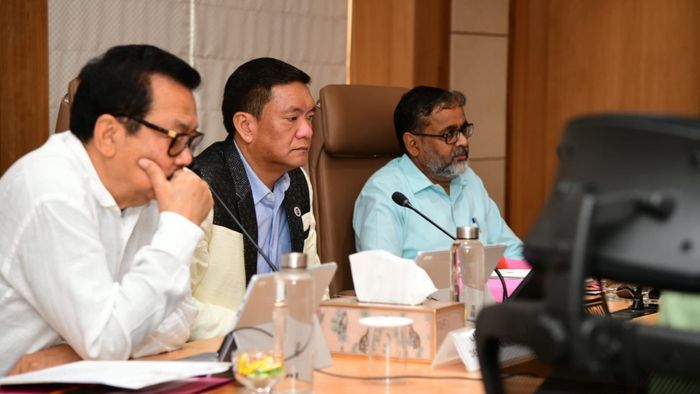
The Arunachal Pradesh Cabinet chaired by Chief Minister Pema Khandu on May 14 approved a series of major decisions ranging from stricter Inner Line Permit (ILP) enforcement and anti-exam leak safeguards to austerity measures, recruitment reforms and urban development initiatives.
- May 14, 2026,
- Updated May 14, 2026, 3:05 PM IST
The Arunachal Pradesh Cabinet, chaired by Chief Minister Pema Khandu on May 14 approved a series of major decisions ranging from stricter Inner Line Permit (ILP) enforcement and anti-exam leak safeguards to austerity measures, recruitment reforms and urban development initiatives.
One of the key decisions taken during the Cabinet meeting was the approval of the “Arunachal Pradesh Public Examination (Measures for Prevention of Unfair Means in Recruitment) Rules, 2026,” aimed at preventing question paper leaks and malpractice in recruitment examinations.
The Rules operationalise provisions of the Arunachal Pradesh Public Examination Act, 2024 and provide mechanisms for monitoring, reporting and investigation of examination-related offences.
The Cabinet also reviewed the status of ILP implementation and approved new 2026 guidelines to modernise and strengthen the ILP regime under the Bengal Eastern Frontier Regulation, 1873.
Under the revised system, the state will introduce a fully digital e-ILP platform with QR-code verification at check gates to curb fake permits. Aadhaar-based authentication, mandatory police verification and sponsor accountability for work permits have also been introduced to ensure better traceability.
The government further announced stricter penalties for ILP violations, including provisions to bar violators for up to two years. District Task Forces and surprise inspections by police officers at entry gates, markets and worksites will also be conducted to ensure compliance.
In line with Prime Minister Narendra Modi’s appeal for austerity and resource conservation, the Cabinet also rolled out several austerity measures.
These include a 50 per cent reduction in the convoys of the Chief Minister, Deputy Chief Minister and ministers, a one-year ban on foreign travel by ministers and government officials, and a “Virtual First” policy for official meetings.
The government has also decided against procuring new vehicles except for emergency services, mandated 100 per cent adoption of e-office systems by March 2027, and directed all government offices to maintain air-conditioner temperatures at 24°C or above to reduce electricity consumption.
The Cabinet additionally encouraged carpooling, public transport usage, paperless administration and the promotion of “Buy Swadeshi, Buy Local” initiatives.
In the urban affairs sector, the Cabinet approved the Arunachal Pradesh Tenancy Rules, 2026 to regulate rental housing through Rent Authorities, Rent Courts and Rent Tribunals.
The Cabinet also deliberated on the proposed “Arunachal Pradesh Airport Area Development Authority Bill, 2026” for planned urban development around airport regions such as Hollongi, Tezu and Pasighat.
In a boost to horticulture and tourism, the Cabinet approved the notification of the Pineapple Expo at Bagra in West Siang district as an annual business event aimed at promoting “Bagra Pineapple,” agro-tourism and food processing.
The Cabinet further enhanced financial assistance for gallantry award recipients from the state. Cash grants for Param Vir Chakra awardees were increased from ₹50 lakh to ₹1 crore, while recipients of the Ashok Chakra and Maha Vir Chakra will now receive ₹50 lakh instead of ₹30 lakh.
The government also approved several recruitment rule amendments across departments, new rules for nursing institutions, financial assistance reforms under the Chief Minister’s Relief Fund and procedural relaxations for certain police constable recruitment candidates.