Arunachal Pradesh’s Kharsang reels under severe floods as rivers cross danger level
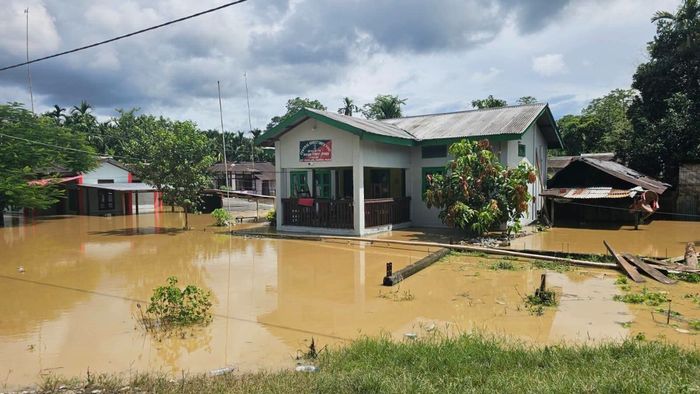
Relentless rain has flooded Kharsang and nearby villages as rivers breached the danger level. Cut-off roads, threatened bridge links and submerged fields have deepened anxiety over supplies and livelihoods.
- Jul 19, 2026,
- Updated Jul 19, 2026, 10:58 PM IST
Relentless rainfall over the past several days has triggered a severe flood crisis across the Kharsang Circle of Miao subdivision in Changlang district, Arunachal Pradesh, inundating villages, farmlands and vital infrastructure as the Noa-Dehing and Buri Dihing rivers continue to flow above the danger level.
Kharsang has emerged as the worst-hit area, with floodwaters entering residential localities, cutting off transportation links and leaving hundreds of families in uncertainty. Villages including Ongman, Jengpathar, Kharsang and several areas under Namchik have been severely affected as water continues to submerge homes, roads and public spaces.
Normal life has been paralysed, with vehicular movement severely disrupted due to submerged and unsafe roads. Vast agricultural fields, the backbone of the local economy, remain under muddy floodwaters, leaving farmers worried about irreversible crop damage if the rainfall persists.
The situation has become more alarming due to the fragile condition of the Makantong Bridge, a crucial link connecting Kharsang with Bordumsa. The bridge, which suffered extensive damage during last year’s floods, is once again under threat as the swollen Buri Dihing River continues to batter its foundations.
Flooding has also intensified in villages under Namphai-I and Namphai-II, where overflowing waters from the Maithong Nala have further aggravated the crisis, making movement increasingly difficult for residents.
With access to markets disrupted and concerns over food security mounting, villagers are struggling to cope with the worsening situation. Authorities are reportedly monitoring the floods and taking precautionary measures, but anxiety continues to grip the affected communities as water levels show little sign of receding.