Arunachal trains officials to tackle glacial lake flood threats
Arunachal Pradesh has launched specialised training for officials to survey high-risk glacial lakes. The move is aimed at improving GLOF preparedness and guiding future mitigation measures.
- May 10, 2026,
- Updated May 10, 2026, 9:19 AM IST
With 32 glacial lakes in Arunachal Pradesh identified as high-risk, the state has begun strengthening its disaster response capacity through specialised training on bathymetry survey technology used to assess potential Glacial Lake Outburst Flood (GLOF) hazards.
The three-day hands-on training programme, organised by the Arunachal Pradesh State Disaster Management Authority, started on Saturday under the National GLOF Risk Management Programme.
According to an official statement, the initiative aims to improve the technical preparedness of officials and experts who will be involved in future surveys of vulnerable glacial lakes across the state.
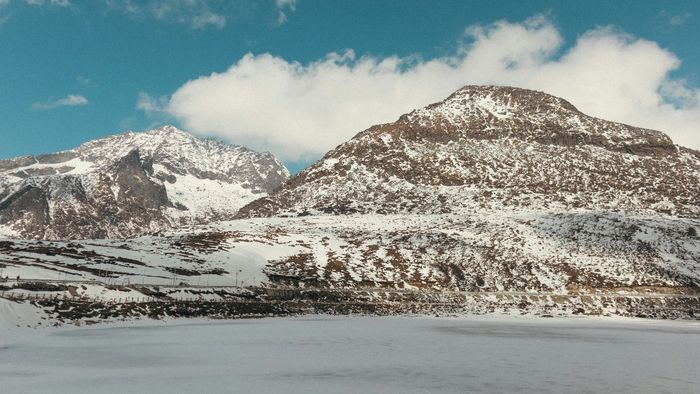
The programme included classroom sessions on the operation and applications of bathymetry survey devices, followed by field exercises and data collection activities at Ganga Lake.
Officials and experts from the India Meteorological Department, Geological Survey of India, Arunachal Pradesh Space Application Centre, Water Resources Department, State Disaster Management Authority and district disaster management authorities participated in the training.
Speaking during the programme, an APSDMA joint director said bathymetric surveys are essential for assessing the risks posed by unstable glacial lakes and for planning mitigation measures. He noted that earlier efforts to carry out such studies had failed due to administrative hurdles, leading the authority to procure its own bathymetry survey equipment.
The official also highlighted the shortage of trained technical experts in the field and called for cooperation among departments for future surveys and mitigation work.
Stress was also laid on the need for Electrical Resistivity Tomography (ERT) studies to assess the internal structure and stability of moraine dams surrounding glacial lakes. The APSDMA said such scientific assessments are necessary for effective disaster risk management and for designing suitable mitigation measures.
The training programme is part of the state’s broader effort to prepare for possible GLOF incidents amid growing concerns over the expansion of several glacial lakes and the risks they pose to downstream communities.