Arunachal’s 11,200-MW Siang Hydel Project fuels hopes of jobs, roads amid land, environment concerns
While some residents see opportunities in better connectivity and social services, protesters demand halt to surveys and withdrawal of security forces
- Oct 14, 2026,
- Updated Oct 14, 2026, 6:33 PM IST
Arunachal Pradesh’s proposed 11,200-MW Siang Upper Multipurpose Project (SUMP) has sparked hopes of better road connectivity, employment and improved access to social services among some residents, even as concerns over land, environmental impact and community rights continue to fuel protests.
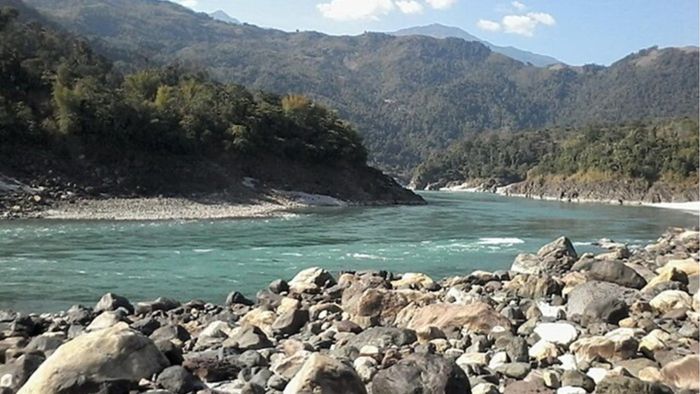
For communities along the Siang River, where difficult terrain and limited connectivity have long constrained development, the mega hydropower project has triggered a debate over whether infrastructure-led growth can be achieved without compromising local livelihoods, cultural identity and the environment.
“People are naturally worried when they hear about a project of this scale. But we also have to think about what opportunities it could bring. The youth need jobs, better connectivity and more opportunities to stay and build their lives here,” said Oyin, a young resident of Boleng town.
The Siang River has shaped the lives, culture and landscape of communities along its banks for generations, she said.
The project is currently at the Pre-Feasibility Report (PFR) stage, which is intended to assess its technical viability. The state government has maintained that the ongoing assessment does not amount to a decision to construct the project.
However, protesters have demanded an immediate halt to PFR-related activities and survey work, along with the withdrawal of security personnel deployed in areas likely to be affected.
The state government has argued that the project could drive economic and social growth, create employment opportunities for local youth and strengthen water and energy security for Arunachal Pradesh and the country.
Residents seek development with safeguards
M Tame, a resident of Parong village in Siang district, said development and the preservation of local identity should not be treated as competing priorities.
“We should not assume that development means losing everything. If there is proper planning and local people are included, development can also mean better schools, healthcare, roads, communication and opportunities for our children,” he said.
Several residents in areas that could be affected by the project have sought clear information on land requirements, rehabilitation, livelihoods, environmental consequences and the long-term impact on their communities.
Siang Deputy Commissioner Tayi Taggu described the project as a potential boon for people in the Siang belt and said they should support government-backed initiatives.
At a review meeting in Yingkiong last month, State Panchayati Raj and Rural Development Minister Ojing Tasing, who also heads the Empowered High-Level Committee on SUMP, called for sustained public engagement, transparency and systematic documentation of feedback from local communities.
Environmental concerns and trust deficit
Environmental activist Bhanu Tatak said the consent of local people was crucial even at the pre-feasibility stage.
She alleged that the deployment of paramilitary personnel and the registration of FIRs, along with legal proceedings against people protesting the project, had created a trust deficit between residents and the state government.
“It is hard to trust the state government now due to its lack of sensibility,” Tatak said.
For some residents, the debate is not simply about supporting or opposing a hydropower project, but about ensuring that decisions affecting their land and future are made transparently and with their participation.
Aluk, who identified herself by her first name, said the issue should not divide people into opposing camps of development supporters and those concerned about its consequences.
“We want our children to have a future here. If a project can contribute to that future, people will want to understand it. The important thing is that development should happen with people, not simply around them,” she said.
As the pre-feasibility exercise continues, the proposed project remains at the centre of a wider discussion over development, environmental protection and the rights of communities living along the Siang River.