Bandh over mega hydropower project disrupts normal life in Arunachal's Upper Siang
A 36-hour bandh against the proposed Siang hydropower project disrupted life across Upper Siang. Protesters demanded halted surveys, security withdrawal and the release of those arrested.
- Nov 02, 2026,
- Updated Nov 02, 2026, 4:16 PM IST
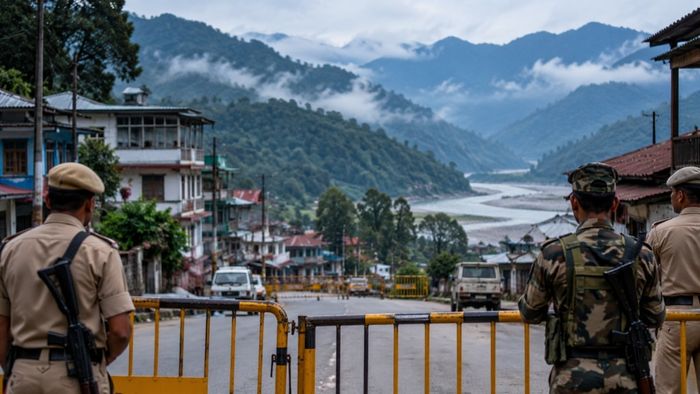
Normal life was disrupted in Arunachal Pradesh's Upper Siang district on November 2, as a 36-hour bandh called by several organisations against a proposed hydropower project led to the closure of schools, markets and business establishments.
Demonstrators staged protests at several locations, burning tyres on roads, while public transport services, including buses, remained off the roads. The shutdown was called by the Siang Indigenous Farmers Forum and the Siang Upper Multipurpose Project Affected Area Youth Association across Siang, Upper Siang and East Siang districts.
The bandh had varying levels of impact across the three districts. While Upper Siang was significantly affected, parts of East Siang also witnessed disruptions. Siang, however, remained largely unaffected, an official said.
Upper Siang Deputy Commissioner Ashok Tajo told PTI that several government offices and schools remained closed, while shops and commercial establishments suspended operations.
"The bandh is mostly effective in Yingkiong town and Geku," he said.
Siang Superintendent of Police Kamdam Sikhom, meanwhile, said the shutdown had no impact in his district, with government offices, educational institutions and shops functioning normally.
The organisations called the bandh over the alleged failure to address their charter of demands. Their demands include the release of arrested protesters, withdrawal of security forces and suspension of ongoing survey activities for the proposed 11,200-MW Siang Upper Multipurpose Project on the Siang river.
The project, envisioned as one of India's largest hydropower initiatives, has faced sustained opposition from sections of the indigenous Adi community, particularly those living in areas likely to be affected by its construction.
Residents have raised concerns over the possible submergence of ancestral villages, displacement of communities, loss of agricultural land and forests, and disruption of their traditional way of life.
The project has also acquired strategic importance for the Centre amid China's plans to construct a massive hydropower facility on the Yarlung Tsangpo river in Tibet. The river enters India as the Siang before flowing through Arunachal Pradesh.