Freedom Trail retracing Dalai Lama’s 1959 route flagged off in Arunachal
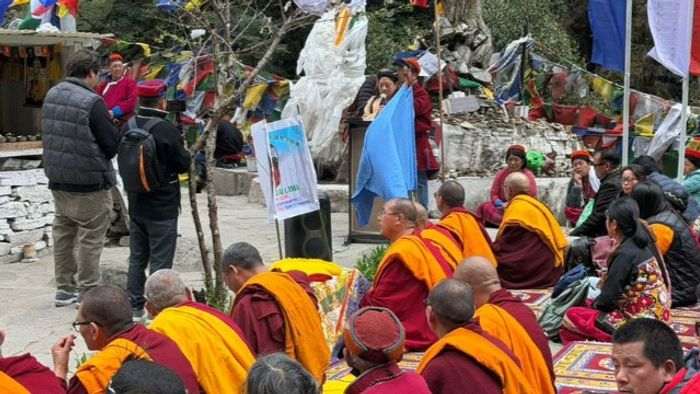
The second edition of the Freedom Trail, retracing the historic route taken by Tibetan spiritual leader Tenzin Gyatso during his entry into India in 1959, was flagged off on March 31 at Zemithang in Arunachal Pradesh’s Tawang district.
- Mar 31, 2026,
- Updated Mar 31, 2026, 7:49 PM IST
The second edition of the Freedom Trail, retracing the historic route taken by Tibetan spiritual leader Tenzin Gyatso during his entry into India in 1959, was flagged off on March 31 at Zemithang in Arunachal Pradesh’s Tawang district.
The six-day foot march, beginning from Kenzamani and concluding at Pungteng Tse on April 5, aims to commemorate the Dalai Lama’s journey while promoting the values of peace, resilience and cultural heritage associated with the historic event.
According to officials, the Dalai Lama had stayed at Pungteng Tse after entering India through Kenzamani on March 31, 1959, following his escape from Tibet in the wake of the uprising against Chinese rule.
The inaugural programme at Zemithang was attended by Lungla MLA Tsering Lhamu, Tawang Zila Parishad chairperson Leki Gombu, Abbot of Tawang Monastery, Lungla ADC Tashi Dhondup, and officers of the Indian Army, among others.
Addressing the gathering, Lhamu highlighted the significance of the trail, noting that participants were walking the same path taken under extraordinary circumstances more than six decades ago.
She said the march symbolises unity, remembrance and cultural pride, and welcomed participants taking part in the event.
Dignitaries present on the occasion offered prayers for the long life and good health of the Dalai Lama and urged people to follow his teachings of compassion, peace and harmony.
The annual Freedom Trail has evolved into a symbolic journey that honours the historic episode while fostering unity, spiritual reflection and the enduring message of peace associated with the Tibetan spiritual leader.