Rare Himalayan plant rediscovered in Arunachal after 120 years
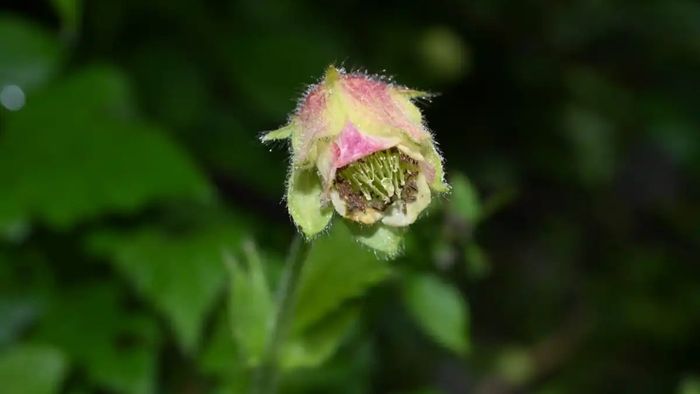
Researchers from the Botanical Survey of India (BSI) have rediscovered the rare flowering plant species Geum macrosepalum in the alpine region of Arunachal Pradesh, more than 120 years after it was last scientifically recorded in India.
- May 18, 2026,
- Updated May 18, 2026, 6:20 PM IST
Researchers from the Botanical Survey of India (BSI) have rediscovered the rare flowering plant species Geum macrosepalum in the alpine region of Arunachal Pradesh, more than 120 years after it was last scientifically recorded in India.
The species was found near the strategically important Sela Pass in western Arunachal Pradesh during an extensive botanical survey conducted by researchers under a project focused on climate change, floristic diversity and plant migration in the eastern Himalayan region.
The research team, comprising botanists Subhajit Lahiri, Monalisa Das and Sudhansu Sekhar Dash, located the species in the Sela area between Tawang and West Kameng districts at an altitude of around 4,200 metres.
According to scientists, the rediscovery has been described in the International Scientific Journal Phytotaxa and is being seen as a significant contribution to the understanding of the fragile eastern Himalayan ecosystem.
Researchers said Geum macrosepalum was last reliably collected in India in 1905 from Sikkim, with only a few historical records available thereafter.
The plant belongs to the rose family and is characterised by pale yellow to ivory-yellow flowers with reddish and drooping blossoms adapted to harsh alpine conditions.
Scientists noted that the species grows in alpine meadows and marshy terrain in one of the least explored landscapes of the Indian Himalayas.
Using International Union for Conservation of Nature (IUCN) assessment parameters, the researchers classified the species as “Vulnerable” in India due to its restricted distribution, habitat pressure and ecological disturbances in fragile mountain ecosystems.
Experts said the rediscovery highlights the urgent need for intensified botanical research and long-term conservation efforts in Arunachal Pradesh, which forms part of the globally recognised Eastern Himalayan biodiversity hotspot.
The region is known for its rich concentration of endemic and rare flora and fauna, many of which remain undocumented because of difficult terrain and limited scientific exploration.
Scientists and conservationists have welcomed the rediscovery, saying it further reinforces Arunachal Pradesh’s importance as a major centre of botanical diversity in India.