64 lakh infiltrators entered Assam during Congress rule, BJP working to reverse trend: Amit Shah
Union Home Minister Amit Shah on January 30 claimed that Assam’s demography changed significantly during the Congress rule and asserted that the BJP-led government under Prime Minister Narendra Modi is working to reverse this trend.
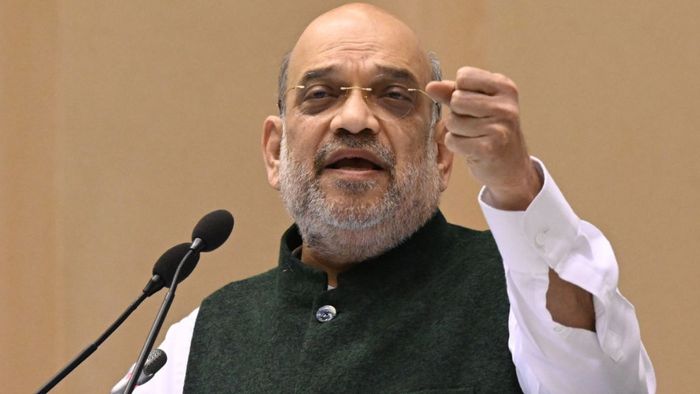
- Jan 30, 2026,
- Updated Jan 30, 2026, 7:32 PM IST
Union Home Minister Amit Shah on January 30 claimed that Assam’s demography changed significantly during the Congress rule and asserted that the BJP-led government under Prime Minister Narendra Modi is working to reverse this trend.
Speaking as the chief guest at the closing ceremony of the 10th Mising Youth Festival, organised by Takam Mising Porin Kebang (All Mising Students’ Union) at Kareng Chapori, Shah appealed to voters to support the BJP in the upcoming Assembly elections to ensure the state is fully protected from infiltration.
“Assam’s demography totally changed during the Congress rule. The population of infiltrators rose to 64 lakh from nil, and infiltrators became a majority in seven districts,” he alleged.
Shah said the Modi government is taking multiple measures to reverse this demographic shift. “If you want to stop infiltration in Assam, elect the BJP for a third term and strengthen Chief Minister Himanta Biswa Sarma’s hands in the fight against illegal immigrants. Two BJP state governments in Assam have freed 1.26 lakh acres of land from encroachment by infiltrators,” he added.
The Union Home Minister also lauded the Mising community for preventing infiltrators from settling in Upper Assam through their culture of hard work. “It is the responsibility of the Mising community to stop infiltration. You do not need to take up guns. Through your culture of hard work, infiltrators have not been able to come to this side,” he said.
Shah further alleged that several tribal communities struggled to protect their identity during the Congress regime and emphasised that the BJP is committed to addressing the issues of the Mising society through a Centre-appointed interlocutor.