658 Bangladesh nationals prosecuted in Meghalaya since 2021, 194 deported: Dy CM
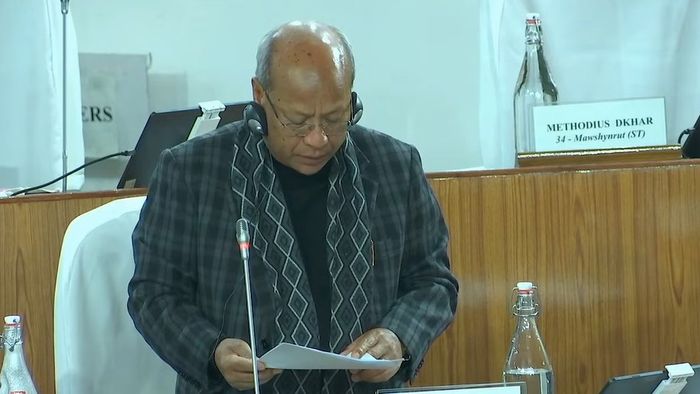
Responding to a call attention notice moved by VPP legislator Heaving Stone Kharpran, Tynsong, who holds the Home (Police) portfolio, placed the figures on record and detailed the state’s enforcement strategy.
- Feb 17, 2026,
- Updated Feb 17, 2026, 1:33 PM IST
Meghalaya has prosecuted 658 Bangladeshi nationals and deported 194 of them since 2021 as part of a stepped-up drive against illegal migration, Deputy Chief Minister Prestone Tynsong informed the Assembly on February 17.
Responding to a call attention notice moved by VPP legislator Heaving Stone Kharpran, Tynsong, who holds the Home (Police) portfolio, placed the figures on record and detailed the state’s enforcement strategy. He said the action was taken between 2021 and February 3, 2026, under relevant legal provisions, with deportations carried out after completion of sentences and upon securing travel permits from the Bangladesh authorities.
The government has put in place what it described as a multi-layered mechanism to curb infiltration. Eighteen check posts, entry gates and a land customs station are currently operational along vulnerable inter-state and Indo-Bangladesh border stretches. These are supported by district-level squads conducting surprise naka checks and joint patrols.
The enforcement network also includes coordination with Labour Department officials, Village Defence Parties and local bodies. Eleven District Task Forces have been constituted to streamline detection, verification and deportation procedures.
A state-level monitoring committee has been formed to oversee implementation. Authorities are enforcing the Meghalaya Resident Safety and Security Act, 2016, in parts of the East Khasi Hills district, alongside provisions of the Immigration and Foreigners Act 2025 and the Bharatiya Nyaya Sanhita, as well as guidelines issued by the Union Ministry of Home Affairs.
The Deputy Chief Minister said the objective is to safeguard genuine Indian citizens while acting firmly against unlawful entry, and urged organisations and residents to cooperate with verification processes carried out under the law.