AATSU opposes rehabilitation of Laika families in Tirap Tribal Belt Areas of Tinsukia
All Assam Tangsa Students Union has opposed the proposed rehabilitation of Laika families in Tinsukia's Tirap Tribal Belt. The union said the move could affect the area's ecological and demographic balance.
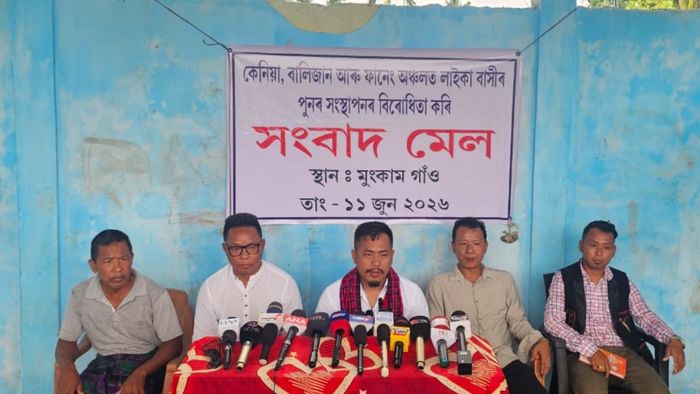
- Jun 11, 2026,
- Updated Jun 11, 2026, 1:04 PM IST
The All Assam Tangsa Students Union (AATSU) on June 11 voiced strong opposition to the proposed rehabilitation of flood-affected families from Laika in the Kenia, Balijan and Phaneng areas of the Tirap Tribal Belt in Assam's Tinsukia district.
Addressing a press conference at Mungkaam Village under the Margherita constituency, leaders of the student body expressed concern over the state government's reported plan to rehabilitate around 334 displaced families from Laika in the Tirap Tribal Belt region.
Speaking to reporters, AATSU president Nayung Mossang said the proposed resettlement could have adverse impacts on the region's ecological balance, including its flora and fauna.
While expressing sympathy for the flood-affected families and acknowledging their long-standing hardships, the union maintained that the rehabilitation process should not be carried out within the Tirap Tribal Belt.
Instead, the student organisation urged the state government to identify alternative land elsewhere in Tinsukia district for the permanent resettlement of the displaced families.
The union stressed the need to safeguard the environmental integrity and cultural identity of the tribal belt while ensuring a humane and sustainable rehabilitation plan for those affected by recurrent flooding and erosion.
"The government should find a suitable alternative location for rehabilitation without disturbing the ecological and demographic balance of the Tirap Tribal Belt," the union leaders said.
The rehabilitation of residents from Laika, an erosion- and flood-affected area, has remained a subject of public debate for several years, with authorities exploring options for the permanent resettlement of families displaced by recurring natural calamities.
The latest opposition from AATSU adds a new dimension to the ongoing discussions over the future rehabilitation of the affected families.