Assam artist’s classical manuscripts find place in Rashtrapati Bhavan Library
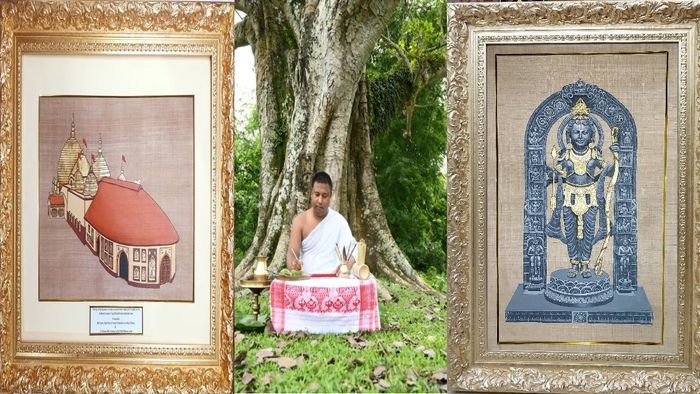
Assam’s rich artistic and literary heritage has received a prestigious national spotlight, with Nagaon-based traditional artist Mridu Mausam Bora earning a place of honour in India’s newly inaugurated Bharatiya Classical Languages Library. Bora’s works, rooted in the centuries-old Sanchipat manuscript-making tradition and Taikham painting technique, are now part of a landmark initiative aimed at preserving and showcasing India’s classical languages and cultural legacy.
- Jan 26, 2026,
- Updated Jan 26, 2026, 1:54 PM IST
Assam’s rich artistic and literary heritage has received a prestigious national spotlight, with Nagaon-based traditional artist Mridu Mausam Bora earning a place of honour in India’s newly inaugurated Bharatiya Classical Languages Library. Bora’s works, rooted in the centuries-old Sanchipat manuscript-making tradition and Taikham painting technique, are now part of a landmark initiative aimed at preserving and showcasing India’s classical languages and cultural legacy.
A resident of Athgaon village in Dhing under Assam’s Nagaon district, Mridu Mausam Bora was specially invited by the President of India to attend the inaugural ceremony of the Bharatiya Classical Languages Library held at Rashtrapati Bhavan, New Delhi. His invitation reflects growing national recognition of his contribution to safeguarding Assam’s endangered manuscript traditions and classical art forms.
Over the years, Bora has earned international acclaim for reviving and mastering Sanchipat, a traditional manuscript prepared from the bark of the agar tree, and adorning it with Taikham-style paintings, an indigenous Assamese visual art form. His meticulous craftsmanship has played a crucial role in preserving ancient knowledge systems while bringing global attention to Assam’s classical heritage.
As part of the Government of India’s initiative, four compiled books on Assamese manuscripts, a Sanchipat manuscript of Borgeet, along with Sanchipat sheets, traditional ink (mahi), and natural colour-making materials, all prepared by Bora, have been arranged for permanent display for visitors from India and abroad at the library.
The inclusion of Mridu Mausam Bora’s work in this national cultural institution marks a significant milestone for Assam, reinforcing the state’s historical contribution to India’s classical languages and artistic traditions. Through such recognition, Bora’s work continues to bridge the past and present, ensuring that Assam’s classical manuscript culture finds enduring relevance on both national and global platforms.