115 trees, 23 species: Study maps bat habitats across Assam's Kamrup
A Gauhati University study mapped bat-roosting habitats across nine locations in Kamrup. The findings underscore the conservation value of mature trees, bamboo and built structures.
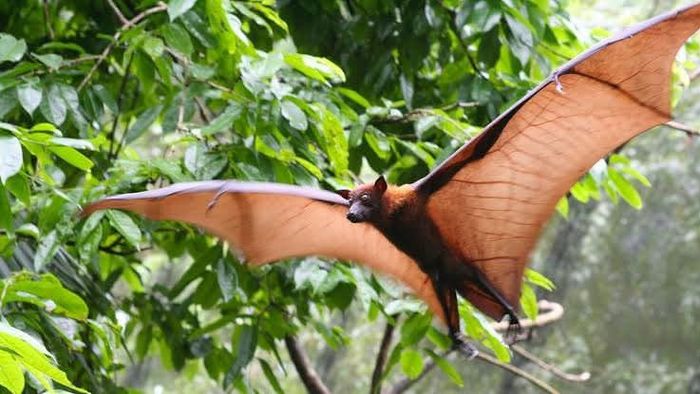
- Nov 01, 2026,
- Updated Nov 01, 2026, 3:25 PM IST
A study in Assam's Kamrup district has identified 115 trees used by bats for roosting, underlining the role of mature trees, bamboo stands and even human-made structures in sustaining bat populations in increasingly modified landscapes.
The research, published in the Journal of Threatened Taxa on October 26, documented 16 bat-roosting sites across nine locations in the district. The researchers recorded 23 tree species serving as roosts, alongside other habitats such as tree cavities, leaves, bamboo internodes, houses and crevices in buildings.
Conducted by Anindita Deka, Malabika Kakati Saikia and Prasanta Kumar Saikia of Gauhati University, the study was based on field surveys carried out between November 2019 and March 2025.
The findings point to tree height and trunk height as significant factors influencing bat abundance. The statistical model developed by the researchers accounted for 28.2 per cent of the variation in bat abundance.
Interestingly, the study found significantly higher bat abundance on exotic tree species compared with native varieties. However, the difference in bat numbers between evergreen and deciduous trees was not statistically significant.
The researchers also found that bat abundance declined with increasing distance from human settlements and water bodies, suggesting that these features play a role in determining the distribution of roosting populations.
The findings highlight the need to reconsider how trees and other potential roosting habitats are managed, particularly as human activity alters natural landscapes. The researchers stressed the importance of retaining mature trees, standing dead trees and bamboo stands, while also protecting suitable roosting spaces in buildings and other structures.
Bats play a key role in maintaining ecological balance through pollination, seed dispersal and the natural control of insect populations. However, information about their roosting requirements remains limited in several parts of Northeast India.
The study adds to the scientific understanding of bat habitats in Assam and points to the need for conservation measures that account for the roosting sites these mammals use, including those found within human-dominated landscapes.