Assam black tea wins praise from Chinese Embassy, emerging as cultural bridge with China
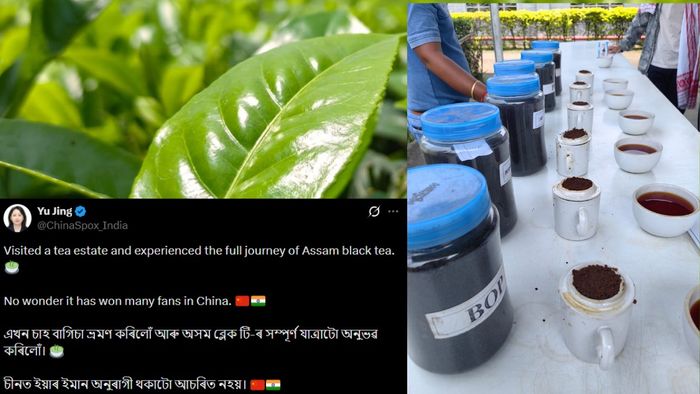
In a gesture highlighting growing cultural and economic ties, Yu Jing, spokesperson of the Chinese Embassy in India, praised Assam’s iconic black tea after visiting a tea estate in the state.
- Apr 17, 2026,
- Updated Apr 17, 2026, 9:55 PM IST
In a gesture highlighting growing cultural and economic ties, Yu Jing, spokesperson of the Chinese Embassy in India, praised Assam’s iconic black tea after visiting a tea estate in the state.
Sharing her experience on social media platform X, Yu Jing described her visit as an immersive journey through the production of Assam black tea. “Visited a tea estate and experienced the full journey of Assam black tea. No wonder it has won many fans in China,” she wrote. She also shared her message in Assamese, in a bid to connect directly with local audiences.
Assam, known as the world’s largest contiguous tea-growing region, produces some of the most robust and malty black teas globally. The growing global appeal of Assam tea is reflected in export figures, with India’s tea exports to China more than doubling in 2025—from 6.24 million kg to over 16.13 million kg—driven by rising demand for premium orthodox Assam varieties.
Industry observers note that Assam’s black tea, prized for its bold flavour and natural antioxidants, is gaining popularity among Chinese consumers, traditionally known for green and specialty teas. This shift is seen as a significant opportunity to strengthen bilateral trade and expand agricultural collaboration.
Beyond its economic value, Assam tea is increasingly being viewed as a cultural connector between India and China, with potential to boost tourism and deepen people-to-people engagement. The beverage, one of the most widely consumed in the world, is also known for its caffeine content, which enhances energy and alertness.
With demand rising steadily, Assam’s tea industry is poised to play a larger role in India’s export landscape while simultaneously strengthening cross-cultural ties with China.