Assam exports 20 metric tonnes of Baksa honey to U.S. in first international shipment
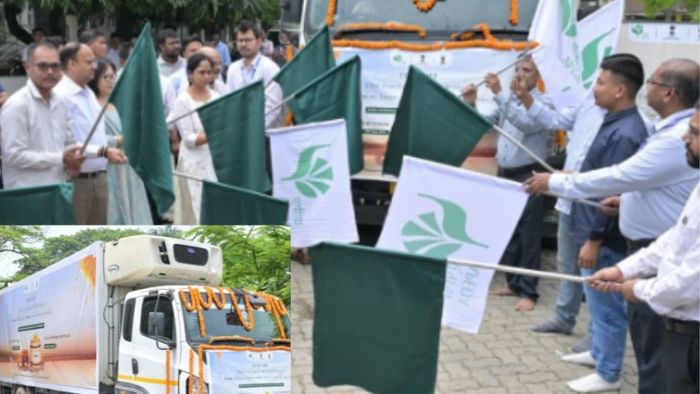
The first-ever international consignment of honey from Baksa district was flagged off to the United States from Guwahati on May 9, officials said.
- May 09, 2026,
- Updated May 09, 2026, 6:16 PM IST
The first-ever international consignment of honey from Baksa district was flagged off to the United States from Guwahati on May 9, officials said.
The export was facilitated by the Agricultural and Processed Food Products Export Development Authority under the Centre’s One District One Product (ODOP) initiative, aimed at promoting region-specific products in international markets.
According to an official statement, the consignment, comprising nearly 20 metric tonnes of honey, was undertaken by APEDA-registered exporter Salt Range Foods Private Limited.
The shipment was flagged off by Aruna Rajoria, Commissioner and Secretary of the Agriculture Department and Agriculture Production Commissioner.
Officials said the honey was processed and packed at Salt Range Foods’ facility in Guwahati before being dispatched for export.
Sourced from the eco-friendly and pesticide-free environment of Baksa district, the honey is known for its high quality and near-organic characteristics, reflecting the region’s rich biodiversity and sustainable agricultural practices.
Baksa honey has been identified under the ODOP initiative for its strong potential in livelihood generation, value addition, and export growth.
According to data from the National Horticulture Board, Assam produced around 1,650 metric tonnes of honey during 2023–24.
Major honey-producing districts in the state include Baksa, Kokrajhar, Chirang, Udalguri, and Tamulpur, particularly in the Bodoland Territorial Region.
Officials said APEDA supported the export by strengthening infrastructure, including testing and laboratory equipment at the processing facility, to ensure compliance with international quality and food safety standards.
The initiative is expected to significantly benefit local beekeepers and farmers, with producers reportedly receiving around 43 per cent higher returns compared to local market prices, offering new income opportunities and strengthening rural livelihoods in the region.