Assam govt introduces bill to ease land acquisition for defence, infrastructure and housing projects
The Assam government on Wednesday, July 22, introduced a Bill in the Assembly seeking to simplify land acquisition for specified public purpose projects by exempting them from certain provisions of the existing land acquisition law.
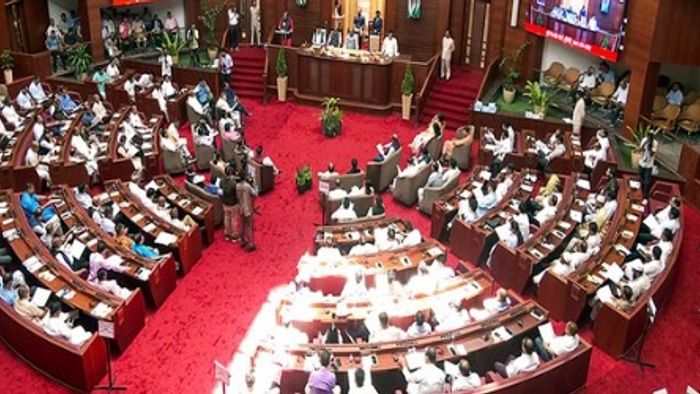
- Jul 22, 2026,
- Updated Jul 22, 2026, 7:52 PM IST
The Assam government on Wednesday, July 22, introduced a Bill in the Assembly seeking to simplify land acquisition for specified public purpose projects by exempting them from certain provisions of the existing land acquisition law.
The Right to Fair Compensation and Transparency in Land Acquisition, Rehabilitation and Resettlement (Assam Amendment) Bill, 2026 was introduced by Parliamentary Affairs Minister Pijush Hazarika on behalf of Revenue and Disaster Management Minister Keshab Mahanta.
The proposed legislation seeks to amend Section 10A of the principal Act to exempt land acquisition for specified categories of projects from the provisions of Chapters II and III, which primarily deal with Social Impact Assessment (SIA) and safeguards for the acquisition of agricultural land.
According to the Bill, the exemption will apply to land acquired for national security and defence projects, rural infrastructure projects including electrification, health and education infrastructure, and affordable housing and housing for economically weaker sections.
The amendment also proposes exemptions for land required for industrial areas or estates established by the state government and its undertakings, industrial corridors, infrastructure projects implemented under the Public-Private Partnership (PPP) model where land ownership remains with the state, and planned urban development projects in and around airports.
The government stated that only the minimum land necessary for such projects would be notified for exemption under the amended provisions.
The proposed amendment is aimed at expediting land acquisition for key infrastructure and development projects while retaining the state's authority to determine the extent of land eligible for exemption.