Assam: NFR develops ‘Zubeen Garg’ Railway Bihutoli at Guwahati's Maligaon
NFR has opened the Zubeen Garg Railway Bihutoli in Guwahati to improve passenger amenities and celebrate Assam's culture. This move is part of ongoing efforts to enhance railway infrastructure and commuter experience in the Northeast.
- Apr 13, 2026,
- Updated Apr 13, 2026, 6:03 PM IST
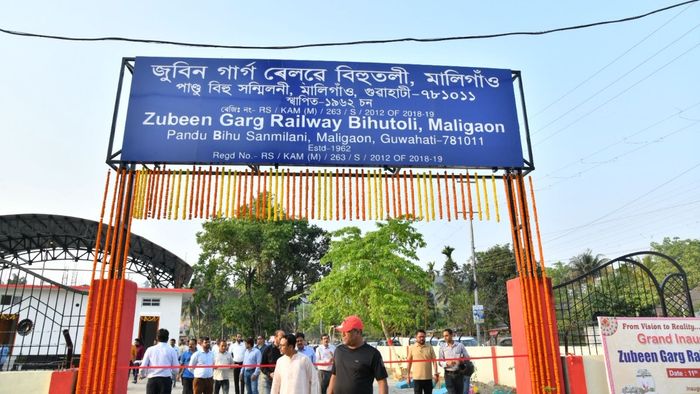
The Northeast Frontier Railway (NFR) has developed a new cultural ground, named the “Zubeen Garg Railway Bihutoli,” at Maligaon in Guwahati, as a heartfelt tribute to the legendary Assamese singer Zubeen Garg. The initiative reflects the deep cultural connection and admiration the artist enjoys across Assam.
The newly established Bihutoli is designed to serve as a vibrant venue for celebrating Rongali Bihu and other significant cultural events. Equipped with modern amenities, the facility includes a permanent stage, dining hall, toilet complex, community space, boundary wall, and an all-weather ground, ensuring convenience for performers and visitors alike.
The ground is set to host the annual Rongali Bihu celebrations organised by the Pandu Bihu Sanmilani, Maligaon, scheduled from April 14 to April 17, 2026. Ahead of the festivities, a Pre-Bihu opening event was recently held at the venue, marking the inauguration of the cultural space.
The occasion was graced by Chetan Kumar Shrivastava, General Manager of Northeast Frontier Railway, and featured traditional Bihu performances that drew enthusiastic participation from railway officials, local residents, and cultural enthusiasts.
Adding emotional significance to the event, Palmee Borthakur, sister of Zubeen Garg, was also present. She expressed heartfelt gratitude on behalf of the family for the honour bestowed upon the iconic artist, acknowledging the recognition of his immense contribution to Assamese music and culture.
This initiative underscores NFR’s commitment to promoting regional heritage and honouring cultural icons who have made significant contributions to society. The naming of the Bihutoli stands as a symbol of Zubeen Garg’s enduring legacy, particularly during Rongali Bihu, one of Assam’s most cherished festivals.