Assam notifies Excise Amendment Rules, introduces changes in liquor licensing and sales
Assam has brought the Assam Excise (Amendment) Rules, 2026 into force with immediate effect. The changes tighten liquor sales and revenue norms while promoting State-made and heritage brews.
- Jun 13, 2026,
- Updated Jun 13, 2026, 8:52 PM IST
The Assam government has notified the Assam Excise (Amendment) Rules, 2026, introducing significant changes in liquor sales, licensing procedures, revenue collection and the regulation of retail outlets across the State.
The new rules, notified by the Governor of Assam on Friday, June 12, have come into effect immediately.
Among the key changes are the introduction of minimum guaranteed revenue payments for liquor licence holders, stricter norms governing the location of retail liquor outlets, and revised regulations relating to liquor sales and licence transfers.
The amended rules also seek to strengthen revenue collection mechanisms. Revenue from licence holders will be collected in four quarterly instalments at rates of 22%, 25%, 27% and 26%, respectively.
According to the notification, failure to pay the prescribed revenue amount will attract a penalty of 10% on the outstanding dues, along with an additional interest of 1.5% per month for delayed payments.
The government has also revised packaging and serving guidelines for liquor outlets and introduced changes in the rules governing the shifting of licences.
A major feature of the amendment is the introduction of a new category called "Assam Made Liquor", aimed at promoting alcoholic beverages produced within the State.
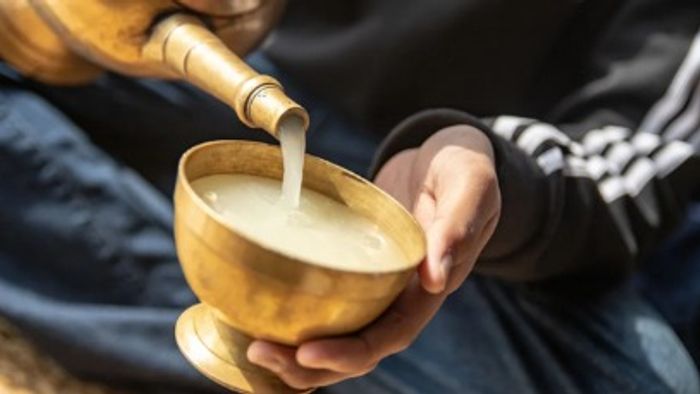
The rules further include provisions for the protection and promotion of Assam's traditional heritage alcoholic beverages. Manufacturing rights for such products will be reserved for indigenous communities, while licence fees have been reduced to encourage production.
The amended framework also sets a production ceiling of 1,000 litres per day for heritage alcoholic beverages.
Officials said the reforms are intended to strengthen regulation of the liquor sector, improve revenue generation and support indigenous communities engaged in the production of traditional alcoholic beverages.