Assam: Parthenium infestation along NH-127 continues despite earlier intervention
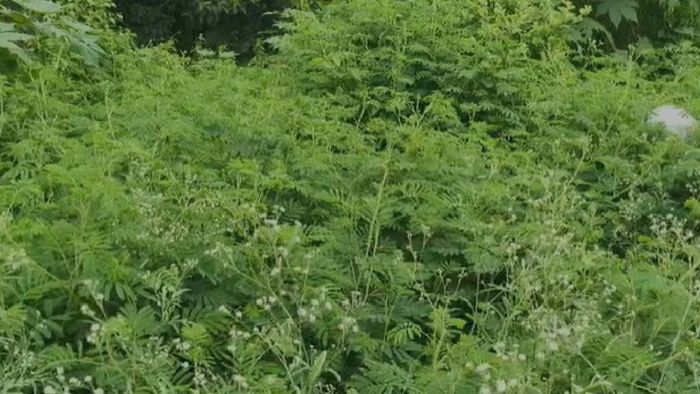
Toxic Parthenium weed has spread extensively along National Highway-127 in Nagaon district of Assam, covering stretches from Uriagaon to Amoni and raising concerns among local residents over public health and environmental safety.
- Jun 16, 2026,
- Updated Jun 16, 2026, 10:37 AM IST
Toxic Parthenium weed has spread extensively along National Highway-127 in Nagaon district of Assam, covering stretches from Uriagaon to Amoni and raising concerns among local residents over public health and environmental safety.
According to local reports, the invasive weed has grown densely on both sides of the highway, creating concern among communities living along the route as well as commuters regularly using the corridor.
Residents alleged that several people have already experienced health-related issues associated with exposure to Parthenium, which is widely regarded as a harmful invasive plant capable of causing allergic reactions and respiratory discomfort.
Despite the continued spread of the weed, residents claimed that no fresh measures have yet been undertaken by the National Highways Authority to remove or control the growth along the affected stretch.
In response to the worsening situation, local residents have once again appealed to Nagaon District Commissioner Devashish Sharma to intervene and ensure immediate and effective action to address the issue.
Earlier, the District Commissioner, accompanied by concerned departmental authorities, had visited the affected areas and initiated measures to tackle the spread of Parthenium. However, according to residents, those efforts did not result in a long-term solution, and the weed has since reappeared across large sections of the highway.
Residents have urged the authorities concerned to adopt sustained monitoring and management measures to prevent further spread and minimise potential health risks.