Assam ramps up flood health measures to ‘safeguard public health’: Health Minister Ashok Singhal
Assam has intensified health and disease-prevention measures across flood-affected areas as post-deluge risks mount. The response focuses on safe water, sanitation, surveillance and care for vulnerable groups as waters recede.
- Aug 11, 2026,
- Updated Aug 11, 2026, 8:20 PM IST
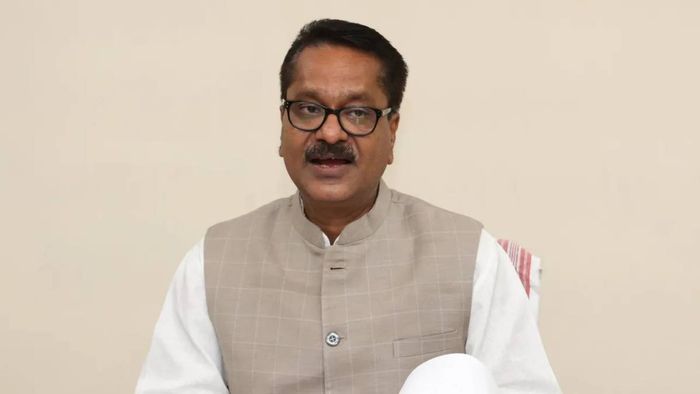
The Assam government has intensified health and disease-prevention measures across flood-affected areas as the state grapples with the health risks left by the deluge, Health Minister Ashok Singhal said on August 11.
The Health Department has so far provided free treatment and medicines to 2,06,442 people through 3,103 medical camps across the affected areas, Singhal said at a press conference.
The government is focusing on disease surveillance, prevention of water- and vector-borne diseases, sanitation and access to safe drinking water, besides maintaining healthcare services in flood-hit communities.
Eleven mega health camps were held between August 5 and 9 in Charaideo and Sivasagar, among the worst-affected districts, covering five assembly constituencies. Specialist doctors from Dibrugarh and Jorhat medical colleges were deployed at the camps.
With pregnant women, mothers and young children considered particularly vulnerable in relief camps, the department has also put in place targeted health measures for them.
Officials have identified 387 pregnant women, 462 mothers, 590 children below one year and 1,627 children aged between one and five years in the affected areas. They are being provided regular health check-ups, nutritional support and other necessary medical care.
The department has also stocked Oral Rehydration Salts (ORS) and zinc tablets across the state amid the heightened risk of diarrhoea and other infections after the floods.
Ensuring safe drinking water has emerged as a major challenge in flood-hit areas, with several water sources affected by contamination.
In coordination with the Public Health Engineering Department, 511 water samples have been tested at laboratories under the Integrated Disease Surveillance Programme (IDSP), Singhal said.
Contaminated sources were disinfected and tested again before being reopened for public use. The government said water sources were restored only after tests confirmed that they were safe for consumption.
The department has also stepped up measures to control mosquito breeding, which can increase after floodwaters recede.
Animal carcasses are being disposed of following prescribed health and safety protocols to prevent contamination of water and the environment and reduce the risk of infectious diseases.
The Health Department is also monitoring the mental health of people affected by the floods.
Singhal said health officials would continue surveillance as the flood situation changes, warning that the receding waters could bring new health challenges.
"Along with continuing healthcare services in flood-affected areas, special emphasis has been placed on ensuring safe drinking water, sanitation and cleanliness, disease surveillance, vector-borne disease control and overall health protection," he said.