Assam records first confirmed sighting of Bent-Toed Gecko at Urpad Beel
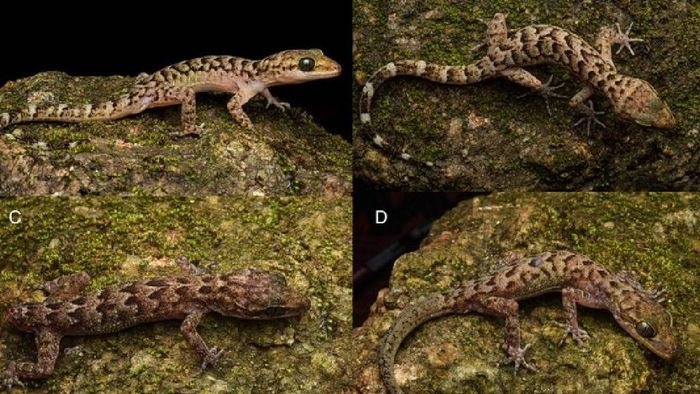
The first confirmed record of the bent-toed gecko species Cyrtodactylus bapme in Assam has been documented from Urpad Beel, marking a significant addition to the state’s rich biodiversity records.
- May 28, 2026,
- Updated May 28, 2026, 9:44 AM IST
The first confirmed record of the bent-toed gecko species Cyrtodactylus bapme in Assam has been documented from Urpad Beel, marking a significant addition to the state’s rich biodiversity records.
The discovery highlights the ecological importance of Assam’s wetland and forest ecosystems, which continue to support a wide range of rare and lesser-known species. Researchers and conservationists have described the finding as an important indicator of the region’s healthy and diverse habitat conditions.
Assam Chief Minister Himanta Biswa Sarma sharing the post on X wrote, "Nature continues to reveal new wonders from Assam 🦎
The first confirmed record of the bent-toed gecko (Cyrtodactylus bapme) in Assam from Urpad Beel highlights the extraordinary biodiversity our ecosystems support.
Our continued conservation efforts are helping preserve these fragile habitats where diverse species continue to thrive."
Urpad Beel, known for its ecological significance, has long served as a habitat for numerous aquatic and terrestrial species. The latest documentation of the bent-toed gecko further strengthens the importance of preserving such fragile ecosystems amid increasing environmental pressures.
Experts noted that continued conservation initiatives and habitat protection measures have played a crucial role in sustaining biodiversity across the state. The presence of the species in Assam also underlines the need for sustained scientific exploration and ecological monitoring in the region.
The bent-toed gecko belongs to the genus Cyrtodactylus, one of the most diverse groups of geckos globally, with many species known for their restricted habitat ranges and sensitivity to environmental disturbances.
Conservationists have reiterated that safeguarding wetlands, forests and associated ecosystems remains essential for ensuring the survival of rare and endemic wildlife species in the Northeast.