Assam strengthens wildlife corridors and forest protection ahead of new tourism season
As floodwaters recede, Assam has intensified corridor protection and forest surveillance before the new season. The push aims to secure animal movement, protect habitats and support responsible tourism.
- Oct 12, 2026,
- Updated Oct 12, 2026, 1:05 PM IST
As floodwaters recede across Assam’s Brahmaputra floodplains, the Forest Department is stepping up its focus on wildlife corridor protection and forest surveillance ahead of the 2026–27 tourism and research season.
With Kaziranga, Manas and Pobitora entering the new season, conservation efforts are centred on safeguarding wildlife, protecting natural habitats and ensuring the safe movement of animals across the landscapes they depend on.
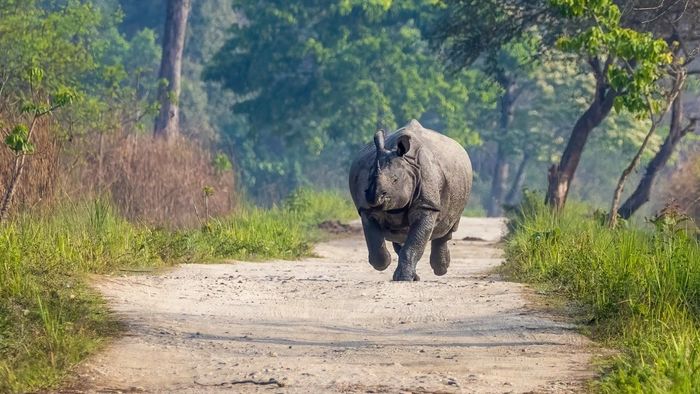
In the Kaziranga–Karbi Anglong landscape, seasonal changes influence the movement of rhinos, elephants and deer between the floodplains and the surrounding hills. Wildlife corridors, including Panbari and Haldhibari, serve as important links between habitats, allowing animals to move in response to changing environmental conditions.
Protecting these natural pathways is essential to minimising disturbance to wildlife and supporting the long-term survival of Assam’s rich biodiversity. Maintaining connectivity between forests and protected areas also plays a vital role in preserving ecological balance across the region.
Alongside corridor protection, anti-poaching vigilance remains a key component of conservation efforts. Seasonal patrols, field camps and camera-based monitoring can help forest personnel keep watch over vulnerable areas, identify suspicious activities and respond to potential wildlife crime and illegal logging.
The protection of Assam’s forests extends beyond individual national parks and wildlife sanctuaries. Corridors, protected areas and surrounding forest landscapes form an interconnected ecological network that supports wildlife movement and habitat sustainability.
Forest personnel, local communities and other stakeholders all have an important role to play in protecting these natural resources. Responsible tourism is also essential to ensuring that visitors can experience Assam’s wildlife without causing unnecessary disturbance to animals or their habitats.
As the state moves into the drier months, sustained conservation measures and responsible tourism practices will remain important priorities. Safeguarding wildlife corridors today means protecting not only animal movement and natural habitats, but also the future of Assam’s biodiversity for generations to come.