Assam study highlights seasonal dengue surge and higher urban vulnerability
FAAMCH research published in Cureus reveals monsoon-driven spikes and increased infection rates among urban males aged 21–40
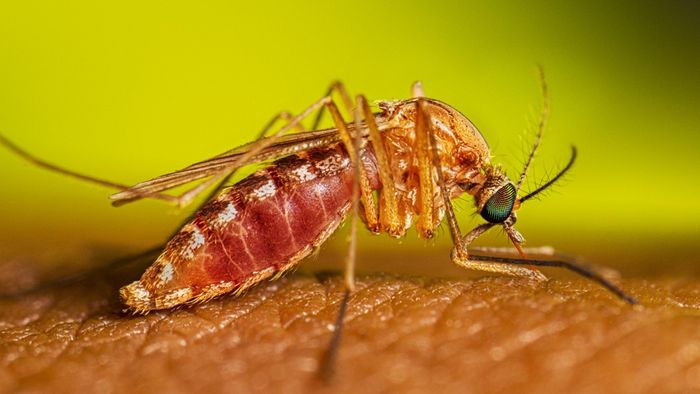
- Apr 12, 2026,
- Updated Apr 12, 2026, 3:29 PM IST
A comprehensive new study has shed fresh light on the persistent threat of dengue in Assam, highlighting pronounced seasonal patterns and increased vulnerability among urban populations.
The hospital-based retrospective analysis, conducted at Fakhruddin Ali Ahmed Medical College and Hospital (FAAMCH) in Barpeta, examined 1,119 clinically suspected dengue patients between 2022 and 2025. The research was published in the peer-reviewed journal Cureus on February 1, 2026.
Led by microbiologist Hiramoni Sarmah of the Virus Research Diagnostic Laboratory at FAAMCH, the study was co-authored by Sanjay Bhattacharya, Derhasar Brahma, Sristi Majumdar, Jahnabi Gogoi, and Elmy S. Rasul, all affiliated with the microbiology and veterinary microbiology departments of the institution.
The findings reveal significant year-to-year fluctuations in dengue cases, with 2023 emerging as the peak year, recording 63 confirmed cases and a positivity rate of 14.6 per cent. This was followed by a notable decline to 17 cases (7.3 per cent positivity) in 2025. Researchers observed that males accounted for 66.4 per cent of infections, while individuals in the 21–40 age group represented 44.7 per cent, indicating heightened exposure among the working population.
A pronounced seasonal trend was identified, with cases surging during the monsoon and post-monsoon months (September to December). The increase is attributed to favourable conditions for mosquito breeding, such as heavy rainfall and high humidity. The study also found that urban residents constituted 61.2 per cent of confirmed cases, compared to 38.8 per cent from rural areas, underscoring the role of urbanisation and population density in disease transmission.
Clinically, fever was present in all confirmed cases, followed by headache (70.4 per cent) and musculoskeletal pain (52 per cent). Although less common, severe manifestations such as petechiae and seizures were also reported.
The authors emphasised the need for strengthened public health interventions, stating that the findings highlight the importance of enhancing vector surveillance, implementing timely preventive measures, and improving early diagnostic capacity to mitigate future outbreaks. The study also noted that limited epidemiological data from Assam had previously hindered targeted dengue control strategies.
Funded by the Department of Health Research, the research provides valuable insights for public health authorities as Assam continues to address the challenges posed by vector-borne diseases amid changing climatic and demographic conditions.