Assam tea estates face heritage risk amid expanding infrastructure
Rapid infrastructure expansion across Assam’s tea-growing regions has intensified concerns over the deterioration of historically significant assets, including colonial-era buildings, ancient water bodies, and World War II remnants. Historians, environmentalists, and community stakeholders have called for urgent documentation and conservation measures to prevent irreversible loss.
- Apr 26, 2026,
- Updated Apr 26, 2026, 4:54 PM IST
Rapid infrastructure expansion across Assam’s tea-growing regions has intensified concerns over the deterioration of historically significant assets, including colonial-era buildings, ancient water bodies, and World War II remnants. Historians, environmentalists, and community stakeholders have called for urgent documentation and conservation measures to prevent irreversible loss.
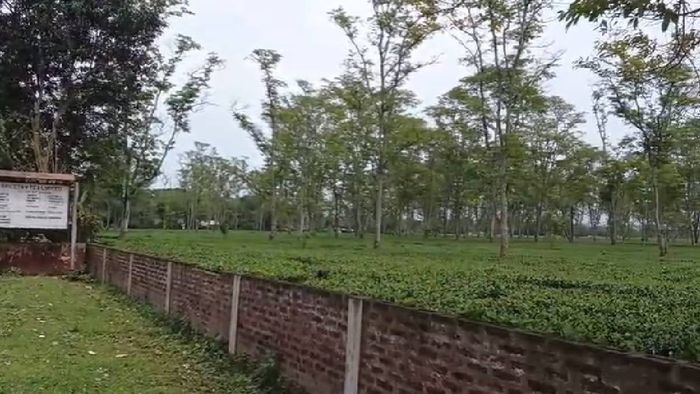
Upper Assam districts such as Tinsukia, Dibrugarh, and Jorhat—home to some of the oldest tea estates established during British rule in the 19th century—are witnessing visible decline in heritage structures. Ageing manager bungalows with traditional architectural features, defunct tea-processing units, and labour quarters are increasingly showing signs of neglect. These sites were once central to the plantation economy that positioned Assam as a major global tea producer.
In addition to colonial infrastructure, several estates contain centuries-old ponds, some believed to date back to the Ahom era and earlier periods. These water bodies historically served both cultural and ecological functions. Experts note that restoration of these ponds could support biodiversity and revive traditional water management systems.
The region also hosts scattered relics from World War II, including abandoned airstrips such as those in Dinjan, along with bunkers and logistical corridors. These remnants are associated with the Allied “Hump” air operations and the China-Burma-India theatre, during which tea estate lands were repurposed for military use.
Researchers and local stakeholders have highlighted the cultural and historical significance of these assets. Heritage experts describe the colonial structures as important records of Assam’s tea industry evolution, while environmentalists emphasise the ecological value of restoring traditional water systems. Community representatives have also stressed that development initiatives should not undermine historical preservation.
At present, there is no comprehensive inventory or unified conservation framework governing heritage assets within tea estates, many of which are privately managed. Civil society groups and residents have urged both the Government of India and the Assam administration to initiate systematic surveys, implement protective regulations, and promote adaptive reuse strategies.
Authorities have previously explored tea tourism initiatives, including heritage accommodation in restored bungalows and the establishment of museums. Stakeholders suggest that integrating conservation with sustainable development could generate employment, enhance educational value, and preserve the region’s historical identity.
Observers maintain that a balanced approach is essential to ensure that modern infrastructure development does not lead to the erosion of Assam’s layered heritage, spanning pre-colonial, colonial, and wartime periods.