Assam’s birding community builds digital archive to document and protect Avian biodiversity
Bird enthusiasts, conservationists and photographers joined a two-day documentation initiative in Golaghat. The programme showed how open platforms can widen access to Assam’s biodiversity records.
- Nov 14, 2026,
- Updated Nov 14, 2026, 11:04 AM IST
Assam’s birding community is taking a community-led approach to documenting and promoting the state’s rich avian biodiversity through digital platforms, with a two-day initiative bringing together bird enthusiasts, conservationists, photographers and knowledge-sharing groups in Golaghat.
Titled “Birds, People & Open-Knowledge”, the initiative was organised by Wiki Loves Birds – Avian Archive of Assam in collaboration with Golaghat Nature Connect, Avian Society and the Department of Zoology at Debraj Roy College. The programme began at the college on November 6 and concluded with a birdwalk at Nambor Wildlife Sanctuary on November 7.
Around 50 participants attended the programme at Debraj Roy College, while 30 registered for the event. Sessions focused on bird documentation, wildlife photography, conservation awareness and the use of Wikimedia platforms to make biodiversity information freely accessible.
Resource persons highlighted the biodiversity of Nambor Wildlife Sanctuary, Assam’s threatened bird species and the importance of building an open-access digital archive. Participants also received practical guidance on wildlife photography, including lighting, exposure and framing.
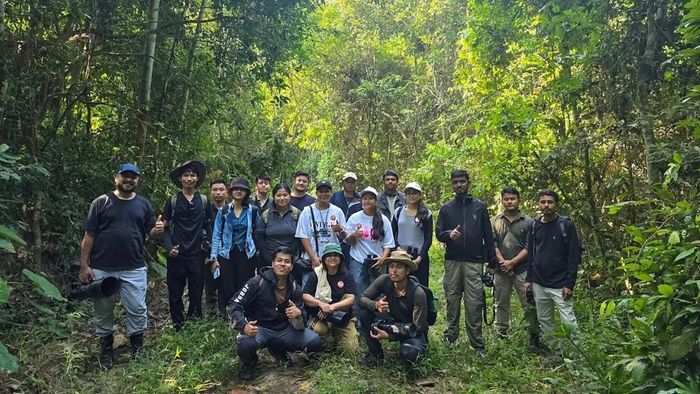
On the second day, 18 bird enthusiasts took part in a birdwalk at Nambor Wildlife Sanctuary. The exercise resulted in sightings of 30 bird species, of which 10 were photographed.
The initiative highlighted how local knowledge, photography, scientific interest and open-access platforms can contribute to documenting Assam’s natural heritage and making information available to researchers, conservationists and the wider public.
Organisers emphasised that every photograph and verified observation can become part of a larger record of biodiversity, encouraging more people, particularly young nature enthusiasts, to observe and document wildlife.*