Assam’s Laokhowa records first-ever sighting of rare migratory Smew
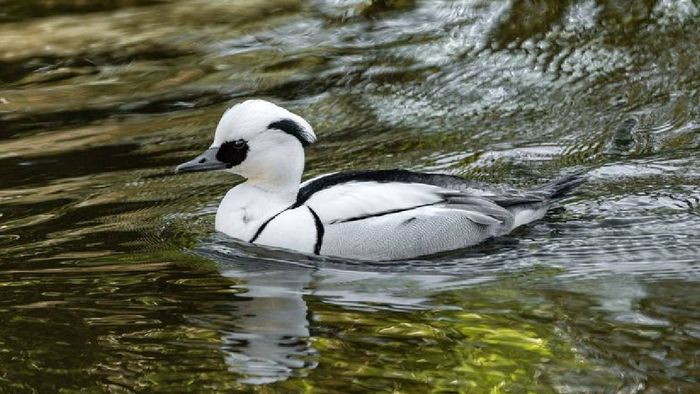
Assam’s Laokhowa Wildlife Sanctuary has recorded the Smew (Mergellus albellus), a rare migratory waterbird, for the first time, marking a significant addition to the protected area’s documented bird diversity and highlighting the ecological importance of its wetland habitats.
- Aug 23, 2026,
- Updated Aug 23, 2026, 2:48 PM IST
Assam’s Laokhowa Wildlife Sanctuary has recorded the Smew (Mergellus albellus), a rare migratory waterbird, for the first time, marking a significant addition to the protected area’s documented bird diversity and highlighting the ecological importance of its wetland habitats.
Assam Forest and Climate Change Minister Jayanta Malla Baruah announced the record on Sunday, August 23 saying the sanctuary had achieved a significant conservation milestone with the first-ever sighting of the Smew.
The rare waterbird was recorded during the 7th Kaziranga Waterbird Count 2026, which covered key wetland habitats in Laokhowa, including Rowmari, Dondowa and Muamari beels.
The survey also recorded the endangered Bengal Florican, along with a high number and diversity of other bird species. The findings add to the growing evidence of Laokhowa’s importance as a habitat for both resident and migratory birds.
Forest officials said the presence of the Smew could serve as an indicator of the health of the sanctuary’s wetlands and their suitability as wintering grounds for migratory waterbirds. The latest record is also expected to contribute to ongoing efforts to monitor changes in bird populations and wetland ecosystems.
Laokhowa authorities have been strengthening biodiversity monitoring to track bird populations and assess changes in wetland habitats. Enforcement measures have also been intensified to prevent illegal activities in the sanctuary.
Officials said action against illegal fishing has already resulted in an arrest, while patrolling, surprise checks and monitoring at vulnerable locations have been stepped up.
Authorities said the conservation approach at Laokhowa would continue to focus on scientific monitoring, habitat protection and enforcement. The recording of the Smew and Bengal Florican is expected to provide further impetus to efforts to protect the sanctuary’s wetland ecosystems and their associated birdlife.