Boat health service helps deliver triplets in Assam’s Barpeta
A boat health service team helped a high-risk mother from Barpeta reach timely care and deliver triplets. The case underlines how outreach care supports safer institutional deliveries in remote char areas.
- Sep 07, 2026,
- Updated Sep 07, 2026, 5:10 PM IST
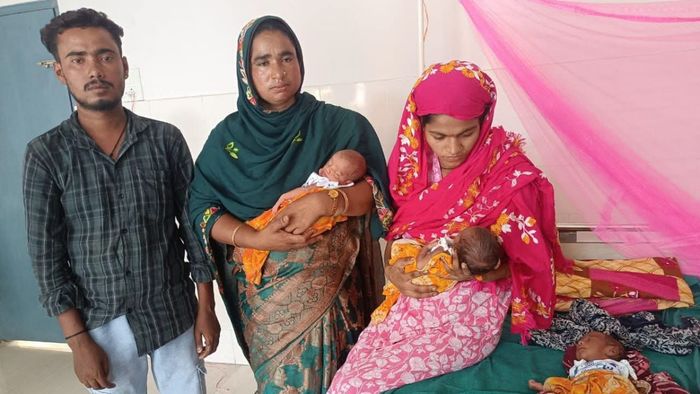
A community-based healthcare initiative has played a crucial role in ensuring the safe delivery of triplets to a high-risk mother in Alir Pam Char under Mandia BPHC in Assam’s Barpeta district.
Asmina Khatun, wife of Sufikul Islam, first came in contact with Boat Health Service Unit-II on February 11, 2026, when ASHA worker Mohela Khatun brought her to an outreach health camp. Her pregnancy was confirmed through an HCG test, following which she received antenatal care, medical investigations, counselling and regular follow-up.
At around four months of pregnancy, Asmina underwent an ultrasonography at Mandia Model Hospital, which revealed that she was carrying triplets. As the family initially found the finding difficult to believe, she was subsequently taken to Barpeta Medical College, where a repeat ultrasound confirmed the triplet pregnancy.
Considering the pregnancy high-risk, the Boat Health Service team placed Asmina under close monitoring. Nurses maintained weekly contact with her, while the ASHA worker remained actively involved in her care. The family was also counselled on the potential risks and the importance of an institutional delivery.
Although her expected date of delivery was September 16, the medical team anticipated the possibility of an early delivery. On August 5, she was taken to Mandia Model Hospital for assessment and advised not to return to the remote char area.
With support from the Boat Health Service DPO and the ASHA worker, Asmina subsequently stayed with relatives at Satra Kanara, allowing her to remain closer to healthcare facilities.
When she developed labour pain on August 21, she was promptly taken to Barpeta Medical College. The following morning, August 22 at 10:39 AM, she underwent a Caesarean section and successfully delivered three baby girls.
The case highlights the role of outreach-based healthcare services in connecting women in remote char areas with antenatal care, high-risk pregnancy monitoring and timely institutional delivery.