Central Pollution Control Board flags Assam's Pamohi River as polluted, concerns rise over impact on Deepor Beel
The CPCB has identified pollution in Assam's Pamohi River, endangering the Deepor Beel wetland. Authorities must act swiftly to protect this ecologically vital area.
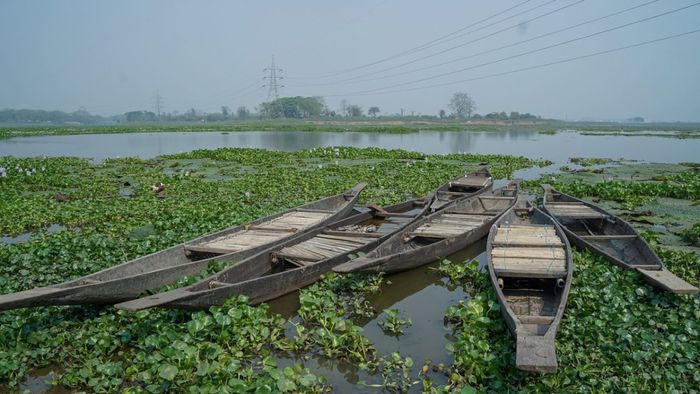
- May 19, 2026,
- Updated May 19, 2026, 4:37 PM IST
The Central Pollution Control Board (CPCB) has identified the Pamohi River among the polluted river stretches in Assam, raising fresh concerns over its impact on Deepor Beel Wildlife Sanctuary, the state’s only Ramsar site.
According to the CPCB’s water quality monitoring report for 2022 and 2023, six river stretches across Assam were found non-compliant with prescribed water quality criteria with respect to Biochemical Oxygen Demand (BOD), indicating significant organic pollution.
The identified polluted stretches include:
Dhansiri River — from Bokajan to Ganesh Nagar (Priority Class IV)
Bharalu River — at Guwahati (Priority Class I)
Digboi River — at Lakhipathe Reserve Forest, Digboi (Priority Class V)
Mora Bharali River — at Tezpur (Priority Class V)
Pamohi River — at Pamohi Gachuk, Pamohi Road, Guwahati (Priority Class V)
Bega River — from MG Road to downstream of Mangaldoi town (Priority Class V)
Environmentalists have long warned that the Pamohi River serves as a direct channel carrying untreated sewage, municipal solid waste and toxic runoff from Guwahati into Deepor Beel. The wetland ecosystem, known for its rich biodiversity and migratory bird population, continues to face pressure from pollution and unregulated waste disposal.
The CPCB and the National Green Tribunal (NGT) have previously flagged the deteriorating condition of water bodies connected to Deepor Beel and called for stronger waste management and conservation measures.
Experts say the polluted condition of the Pamohi River threatens aquatic biodiversity, fisheries and the ecological balance of the Ramsar site. Environmental groups have urged authorities to accelerate sewage treatment, strengthen waste disposal mechanisms and implement restoration measures to protect the fragile wetland ecosystem.