Climate change making Assam floods more frequent and unpredictable: Analysis
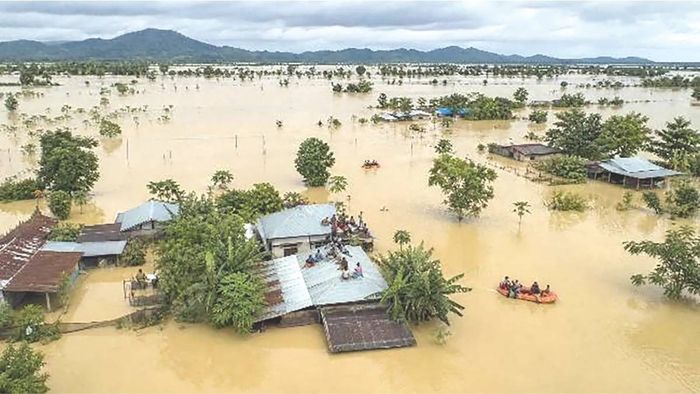
A new analysis says climate change is making Assam floods more frequent, erratic and destructive. Experts say shifting rainfall, glacier melt and human pressure are complicating preparedness.
- Aug 07, 2026,
- Updated Aug 07, 2026, 9:54 PM IST
Floods in Assam are becoming more frequent, less predictable and more destructive as climate change combines with changing river systems, rapid erosion and growing human activity in flood-prone areas, according to a new analysis released by Delhi-based climate research organisation Climate Trends.
Assam has historically remained vulnerable to floods because of its geography. Around 40 per cent of the state's land is flood-prone, with the sediment-rich Brahmaputra constantly changing its course, eroding riverbanks and reshaping floodplains. The report says these long-standing natural factors are now being intensified by climate change and human interventions.
One of the major reasons behind this year's floods was a series of persistent monsoon systems over the Bay of Bengal.
"There have been back-to-back weather systems forming in the Bay of Bengal during July," said Mahesh Palawat, vice president (meteorology and climate change) at Skymet Weather. He explained that while these systems remained over the ocean, they continuously supplied moisture to the Northeast, creating favourable conditions for heavy rainfall and, at times, cloudbursts.
The analysis noted that extreme rainfall events are becoming more common as global temperatures rise. Warmer air holds more moisture, increasing the intensity, duration and frequency of rainfall, which raises the risk of severe flooding.
It also highlighted that rising temperatures have accelerated snow and glacier melt in the eastern Himalayas, increasing water flow in the Brahmaputra and its tributaries. Combined with intense rainfall, this leads to higher flood peaks and longer periods of inundation.
Human activities such as deforestation, rapid urbanisation and unplanned land-use changes have further worsened the situation by increasing surface runoff and reducing the landscape's natural ability to retain water, the report said.
Palawat said climate change has also made floods in Assam more difficult to predict because rainfall patterns have changed significantly. According to him, increasing rainfall variability and shifting monsoon behaviour have amplified uncertainty during the flood season.
The report added that although flood forecasting and early warning systems have improved, their effectiveness is still limited by sparse observations, inadequate data sharing and weak transboundary coordination.
Climate modelling studies cited in the analysis project that extreme floods across the Indus-Ganga-Brahmaputra river basins are likely to become more frequent and intense between 2020 and 2059. The increase is linked to stronger monsoon rainfall and faster glacier melt in the Himalayas and the Tibetan Plateau caused by rising temperatures.
The study warned that these changes could accelerate soil erosion, increase sediment deposition, degrade wetlands and result in greater agricultural losses, further compounding flood risks across the Brahmaputra Basin. Assam accounts for about 36 per cent of the basin's drainage area within India, making it one of the country's most vulnerable regions.
Dr Akshay Deoras, research scientist at the National Centre for Atmospheric Science at the University of Reading, said rainfall patterns have become increasingly erratic.
"We have been witnessing sharp intraseasonal variations in the rainfall patterns; either the rainfall is very intense or break-monsoon periods are quite long, triggering extreme weather events. This is a direct impact of global warming," he said.
He stressed that preparedness must evolve alongside changing weather patterns. "It is high time that we prepare for the season, keeping in mind these changes in the rainfall patterns and not just the amount of rainfall," he added.