‘Created a monster against ourselves’: Lighthouse Conversations reveals the inner chaos of domestic violence
For women who experience violence at the hands of those they once believed would protect them, the Lighthouse becomes exactly what its name suggests, a signal that they are not alone. The initiative also positions itself clearly as a pressure group, one that refuses to remain silent when women are harmed or violated. It seeks not only to help survivors, but also to initiate dialogue and chart a way forward.
Priyanka Saharia
- Jan 11, 2026,
- Updated Jan 11, 2026, 12:57 PM IST
A quiet, trembling question rises after the shock has settled in: How will I come out of this now?
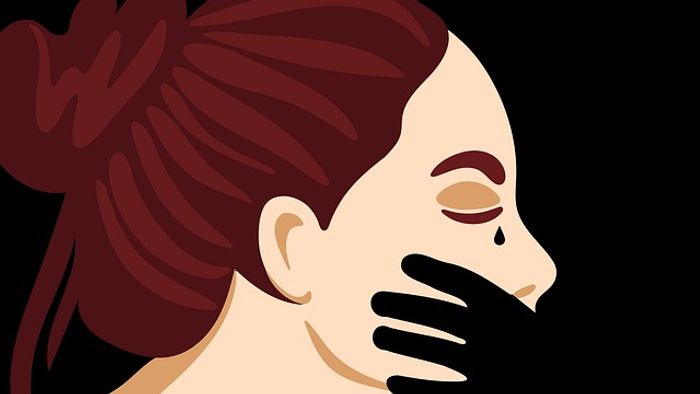
Before that moment, there is a long silence. First comes disbelief, then numbness, a state you try to hide within yourself. You don’t fully understand what is happening, because this is not something you ever signed up for. You tell yourself it will pass. You minimise it. You survive one day at a time.
Domestic violence in India is rising at an alarming rate, cutting across class, geography and social status. It exists in rural homes and urban apartments alike, among the rich and the poor. Women endure it everywhere. Yet recognising that what is happening is wrong and believing that you deserve better, requires a courage that not every woman is allowed to develop.
While listening to the women, a truth resonated deeply: “We created a monster against ourselves.”
“By not sharing anything with anyone. By keeping everything behind closed doors.
Many of us kept thinking about society, about the people around us. We believed things would be all right, that maybe we would one day live again with the same love we once had. But that was our mistake.
Most of us never spoke about what we were going through, about how they treated us. In silence, we helped them carry out the abuse. And from these small, ignored moments, one day, he turned into a monster, the monster we created against ourselves.”
One of them paused after saying this. In that silence, I understood.
Suddenly, I had a vivid sense of what they had endured.
That line stays with you because it captures what abuse does, it slowly turns you against yourself.
For many women, realisation does not come overnight. Sometimes it takes years, ten years, even more. In those years, you lose parts of yourself: your voice, your confidence, your sense of worth. Often, it is only after meeting people later in life, those who hold up a mirror without judgement, that you begin to see yourself again. Someone finally tells you that you have power. And for the first time, with shaking lips and a trembling heart, you say it out loud: I am capable. I have to come out of this.
It is from this fragile yet fierce moment that platforms like The Lighthouse Conversations emerge.
Led by Rajnigandha Saikia and Antara Bordoloi Kalita from Assam, the initiative creates a space where women lead with their stories, not to seek sympathy, but to offer strength. It exists to support, to guide, and to return the light women often lose while trying to hold families, relationships and lives together.
For women who experience violence at the hands of those they once believed would protect them, the Lighthouse becomes exactly what its name suggests, a signal that they are not alone. The initiative also positions itself clearly as a pressure group, one that refuses to remain silent when women are harmed or violated. It seeks not only to help survivors, but also to initiate dialogue and chart a way forward.
The urgency of such spaces is underscored by stark data. Domestic violence and assault remain among the most reported crimes against women in India. The National Crime Records Bureau (NCRB) identifies “cruelty by husband or his relatives” under Section 498A of the Indian Penal Code as the single largest category of crimes against women.
In 2022, India recorded 4,45,256 cases of crimes against women, a 4 per cent increase from the previous year, an average of 51 cases every hour. Of these, 31.4 per cent were cases of cruelty by husbands or relatives. The national crime rate stood at 66.4 cases per lakh women, with wide regional variations. Delhi reported a rate of 144.4, more than double the national average, followed by Haryana (118.7) and Telangana (117.6).
Meanwhile, the National Commission for Women (NCW) recorded 28,650 complaints in its 2023–24 annual report. The highest number of complaints fell under the Right to Live with Dignity, Protection against Domestic Violence, and Harassment of Married Women/Dowry Harassment. Complaints related to sexual violence, molestation, rape and cybercrime further reflect the many forms of violence women continue to face.
The sharp disparity between NCRB and NCW figures reveals a deeper truth: official statistics capture only a fraction of reality. Many cases remain unreported due to stigma, fear of retaliation, lack of access to legal mechanisms and social pressure, especially in cases of domestic violence and marital abuse.
Behind every statistic is a woman asking that first question in silence: How will I come out of this?
The answer is never simple. But it begins with belief, with community, with courage, and with spaces that refuse to let women disappear into their pain. The Lighthouse stands as a reminder that even in the darkest moments, light can still be found, and reclaimed.
MORE NEWS
Read more!