End of an era: Presidential Award-winning textile artist Opila Rabha dies at 62
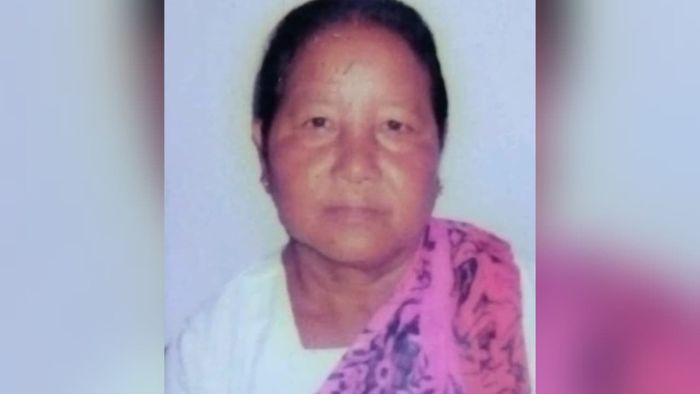
India has lost one of its finest custodians of indigenous textile heritage. Opila Rabha, the Presidential Award-winning master weaver who brought the traditional Khambang Phakshek of the Rabha community to international prominence, passed away on Wednesday, February 11 evening at her residence in Ambari area of Debitola in Assam’s Kokrajhar district. She was 62.
- Feb 11, 2026,
- Updated Feb 11, 2026, 10:30 PM IST
India has lost one of its finest custodians of indigenous textile heritage. Opila Rabha, the Presidential Award-winning master weaver who brought the traditional Khambang Phakshek of the Rabha community to international prominence, passed away on Wednesday, February 11 evening at her residence in Ambari area of Debitola in Assam’s Kokrajhar district. She was 62.
According to family members, Rabha had been battling age-related ailments for the past several days. Her health deteriorated sharply on Tuesday morning, following which she was rushed to a nearby medical college hospital. Doctors declared her dead on arrival.
A towering figure in the preservation and promotion of tribal textile traditions, Rabha was conferred the prestigious Presidential Award in 1991 by the Government of India in recognition of her exceptional craftsmanship and contribution to handloom art. Her name became inseparable from the Khambang Phakshek, the traditional attire of Rabha women, which she elevated from a community garment to a symbol of cultural pride showcased on global platforms.
Born into a family struggling with poverty to Shrikant Rabha, her journey from hardship to international acclaim stands as a powerful testament to resilience and artistic excellence. Through sheer determination and skill, she carried the weaves of her community to exhibitions across the United States, Australia, Switzerland and other countries, earning global appreciation for Assam’s indigenous textile heritage.
Beyond her artistic achievements, Rabha was widely respected as a social reformer. She used her stature to campaign against the entrenched social evil of witchcraft practices in parts of lower Assam and worked tirelessly toward social awareness and reform within her community. For her, weaving was not merely an economic pursuit but a vehicle for dignity, empowerment and social justice.
Her passing has triggered an outpouring of grief across Assam, particularly in Kokrajhar and neighbouring Dhubri district. Community leaders, artists and admirers remembered her as a cultural torchbearer who transformed a traditional craft into a powerful marker of identity.
“She did not just weave fabric; she wove the identity of our people into the global consciousness,” said a resident of the region, recalling her journey from a small village in Ambari to international art exhibitions.
Her mortal remains were brought back to her residence, where family members and well-wishers paid their respects. The last rites will be performed on Wednesday in accordance with traditional customs.
With her demise, Assam’s handloom sector and the Rabha community have lost a pioneering artisan whose legacy will endure in every thread of the Khambang Phakshek she so passionately preserved and promoted.