"Full drama, blatant delimitation move": Congress leader slams BJP on women's reservation bill
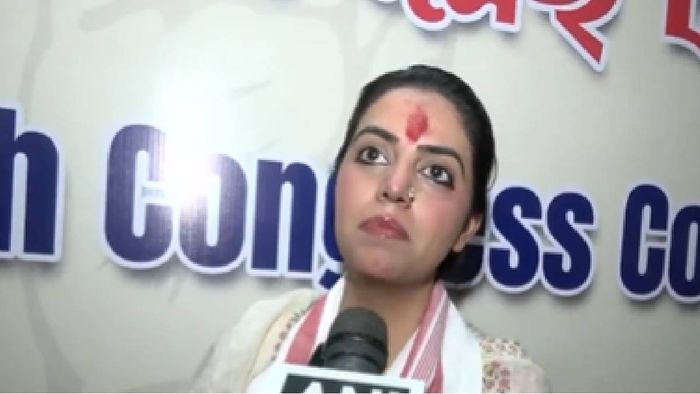
Congress leader Divya Maderna on Tuesday, April 21 criticised the Bharatiya Janata Party (BJP) over the Women’s Reservation Bill, alleging that the legislation was used as a political instrument rather than a genuine effort to ensure gender equality.
- Apr 21, 2026,
- Updated Apr 21, 2026, 6:39 PM IST
Congress leader Divya Maderna on Tuesday, April 21 criticised the Bharatiya Janata Party (BJP) over the Women’s Reservation Bill, alleging that the legislation was used as a political instrument rather than a genuine effort to ensure gender equality.
Addressing the media in Guwahati, Maderna accused the BJP leadership, including Prime Minister Narendra Modi and Union Home Minister Amit Shah, of staging what she described as a “political exercise” under the guise of women’s empowerment. She claimed that the bill was linked to delimitation and was not intended to be implemented in the immediate future.
Maderna stated that the proposed legislation was “publicly exposed” and alleged that it lacked sincerity in ensuring reservation for women. She further said that the bill’s failure reflected the government’s priorities, adding that it was used as part of election campaigning rather than as a substantive reform measure.
Reiterating the Congress party’s position, she said the party continues to demand immediate reservation for women in legislative bodies. “We have come to Guwahati with the same demand—grant reservation to women. Congress stands with women,” she said.
The BJP has consistently maintained that the Women’s Reservation Bill represents a historic step toward enhancing women’s participation in governance. However, opposition parties have raised concerns over its implementation timeline and linkage with delimitation.
The issue of women’s reservation remains a key point of political debate, with parties differing over both intent and execution of the proposed policy framework.