Gohpur–Numaligarh twin-tube underwater tunnel to become India’s first rail-cum-road tunnel: Himanta
Assam CM Himanta Biswa Sarma presents a Rs 18,662-crore underwater tunnel project to connect Gohpur and Numaligarh. The initiative aims to boost connectivity and economic activities in the region.
- Feb 15, 2026,
- Updated Feb 15, 2026, 12:08 PM IST
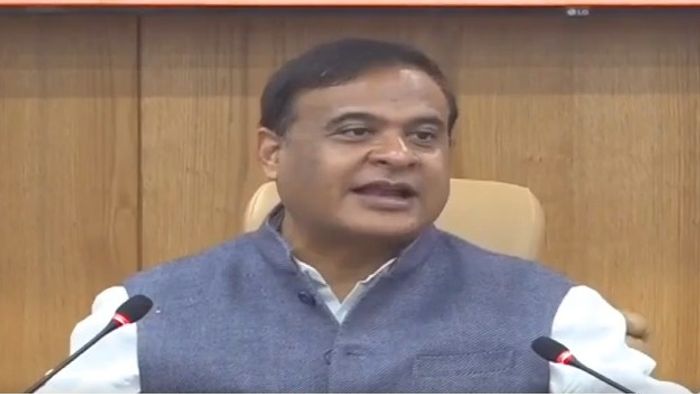
Chief Minister Himanta Biswa Sarma on February 15, gave a comprehensive presentation to the media on the already Centre-approved Rs 18,662.02-crore Gohpur–Numaligarh rail-cum-road underwater tunnel project, describing it as a “big win for Assam” and a transformative engineering milestone for the state.
The project, which has already received approval from the Central Government, will be India’s first rail-cum-road underwater tunnel, the fourth rail-cum-road crossing over the Brahmaputra, and the world’s second such project after the Fehmarnbelt link between Germany and Denmark.
The 33.7-km corridor will connect Gohpur on NH-15 (North Bank) with Numaligarh on NH-715 (South Bank). It will include a 15.79-km underwater tunnel and 17.91 km of approach roads, 10.15 km on the Gohpur side and 7.76 km on the Numaligarh side. The construction period has been set at five years.
The construction cost is estimated at Rs 11,982.36 crore, while the total capital cost stands at Rs 18,662.02 crore. The cost will be shared between the Ministry of Road Transport & Highways and the Ministry of Defence in an 80:20 ratio. The Government of Assam will bear 50 per cent of the SGST on the construction cost, amounting to around Rs 539 crore.
The twin-tube structure will consist of two separate tubes, each designed for a two-lane highway. One of the tubes will also have a rail-cum-road facility, with the railway line embedded within the roadway. In normal times, the tunnel will operate as a four-lane road. During exigencies, one tube will facilitate railway operations, converting it into a two-lane road with one railway line. Cross passages will be provided at every 500 metres for safety. The tunnel will lie at a depth ranging between 52 and 57 metres (approximately 170 to 187 feet) beneath the river bed.
On the railway side, the tunnel will connect the Rangia–Murkongselek section under the Rangia Division of Northeast Frontier Railway on the Gohpur side with the Furkating–Mariani loop line section under the Tinsukia Division on the Numaligarh side.
The Chief Minister informed that the project was initially conceptualised as a road-only tunnel costing around Rs 11,000 crore. However, when it was placed before Prime Minister Narendra Modi, the suggestion was made to incorporate a railway component, expanding it into the present rail-cum-road project with a total cost of Rs 18,662 crore.
The project will be implemented by NHAI, with overall administrative control under the authority. NHAI DCL will oversee road operations, while Indian Railways will manage railway operations. The project will be executed in coordination with stakeholders including the State Government, the Ministry of Defence, and Indian Railways. Land acquisition is expected to begin within the next two to three days.
Highlighting its impact, the Chief Minister stated that the existing 240-km journey between Gohpur and Numaligarh, which currently takes about six hours, will be reduced to just 34 km, cutting travel time to around 20 minutes and doubling average travel speed. The tunnel will also safeguard environmental and navigational interests by providing an alternative route that avoids Kaziranga National Park.
It will enhance border connectivity and cross-border trade, reduce the distance between Dimapur in Nagaland and Itanagar in Arunachal Pradesh from 260 km to approximately 170 km, provide high-speed connectivity between Assam and Arunachal Pradesh, boost tourism in the Northeast, and generate nearly 80 lakh human-days of employment during construction.
Describing it as a milestone engineering project, the Chief Minister said the tunnel will significantly improve logistics efficiency, open new employment avenues, and fortify Assam’s long-term connectivity and strategic resilience.