Himanta Biswa Sarma to contest from Jalukbari as BJP announces list of 88 candidates for Assam Assembly Elections
The Bharatiya Janata Party (BJP) on Thursday, March 19 released the list of candidates for the 2026 Assam Legislative Assembly elections 2026.
India TodayNE
- Mar 19, 2026,
- Updated Mar 19, 2026, 12:56 PM IST
The Bharatiya Janata Party (BJP) on Thursday, March 19 released the list of candidates for the 2026 Assam Legislative Assembly elections 2026.
The list, announced by the party’s central leadership, features candidates across a wide spectrum of constituencies, including key urban centres, tribal belts, and politically sensitive districts.
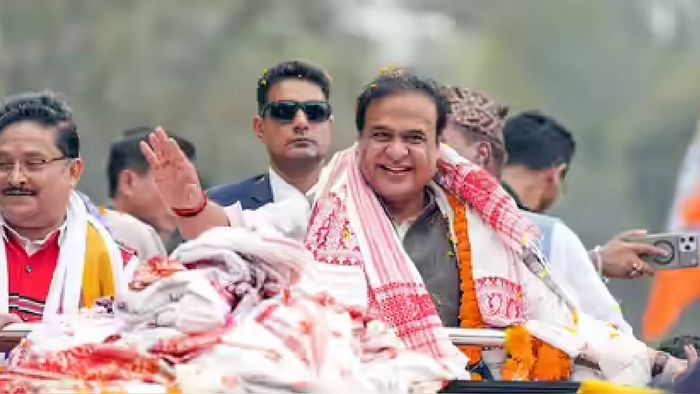
Among the names is Chief Minister Himanta Biswa Sarma, who will once again contest from the Jalukbari constituency, widely regarded as a BJP stronghold. Senior ministers and prominent leaders such as Chandramohan Patowary (Tihu), Ranjeet Kumar Dass (Bhowanipur-Sorbhog), and Pijush Hazarika (Jagiroad) also feature in the list, indicating continuity in the party’s leadership structure.
Significantly, the party has also fielded candidates in crucial constituencies across Lower Assam, Central Assam, and Upper Assam, including Palasbari, Rangia, Dispur, Guwahati Central, Mangaldai, Nagaon, Lakhimpur, Dhemaji, and Tinsukia districts. The selection reflects the BJP’s attempt to maintain its electoral footprint across regions that have historically exhibited varied voting patterns.
In the tea garden belt and tribal-dominated constituencies, the party has retained several familiar faces while also introducing new candidates, a move seen as an effort to address evolving socio-economic concerns in these regions. Seats such as Tamulpur (ST), Dudhnai (ST), and Dhemaji (ST) are expected to witness keen contests, making candidate selection critical.
The inclusion of candidates like Pradyut Bordoloi from Dispur—amid recent political realignments—highlights the BJP’s continued focus on expanding its leadership base by inducting experienced figures from rival parties. This strategy, while strengthening the party numerically, is also likely to influence local electoral equations.
MORE NEWS
Read more!