Kaziranga’s past revisited as rare 1961 documentary finds new audience after decades
A rare documentary shot in Kaziranga more than 70 years ago has been screened publicly again, offering a striking record of the park’s wildlife long before modern conservation measures took shape.
- Dec 21, 2025,
- Updated Dec 21, 2025, 9:41 AM IST
A rare documentary shot in Kaziranga more than 70 years ago has been screened publicly again, offering a striking record of the park’s wildlife long before modern conservation measures took shape.
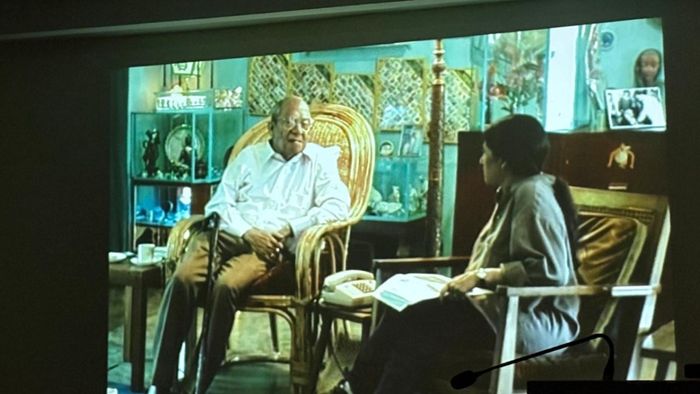
The black-and-white film, Kaziranga (1961), was shown on December 20 at a film festival held at Kohora Convention Centre, organised by Kaziranga National Park & Tiger Reserve in collaboration with local conservation groups and a media studies organisation. The screening marked one of the few occasions the film has been seen since it was broadcast on European television in the early 1960s.
Shot by physician-turned-naturalist Robin Banerjee, the documentary captures the park’s landscapes and wildlife at a time when the one-horned rhinoceros faced little international attention but growing local threats
Conservationists said the footage is significant not just for its age, but for documenting Kaziranga before large-scale tourism and intensive protection regimes altered the landscape.
The rediscovered film anchored a day-long programme that examined how wildlife has been portrayed over time and how media narratives have influenced conservation policy. Journalists, students, community representatives and forest staff attended the event, which combined archival screenings with contemporary documentaries on poaching, frontline forest work and rhino protection.
Alongside the 1961 film, the programme included documentaries on anti-poaching operations, wildlife trafficking and the cultural importance of the one-horned rhinoceros, more than 70 per cent of whose global population is found in Assam.
Panel discussions focused on the role of media in wildlife reporting, highlighting challenges such as access, safety, misinformation and the ethics of reporting from protected areas. Speakers from print, broadcast and digital media reflected on how coverage of Kaziranga has shifted from colonial-era exoticism to present-day debates on conservation, conflict and community rights.
A separate session brought together eco-development committee members, conservation practitioners and social scientists to discuss how local communities engage with media and how their voices can shape conservation outcomes around the park.
Organisers said the revival of the 1961 documentary underscored the value of historical records in understanding present challenges, showing how early visual storytelling helped place Kaziranga on the global map and continues to inform conversations on wildlife protection today.