Lone TMC MLA walks out of Assam Assembly over ‘malicious intention’ behind UCC Bill
Sherman Ali Ahmed walked out of the Assam Assembly during the debate on the proposed UCC Bill, alleging malicious intention behind it. His protest focused on constitutional objections, Quran-related concerns and the exclusion of Scheduled Tribes from the Bill.
- May 27, 2026,
- Updated May 27, 2026, 1:33 PM IST
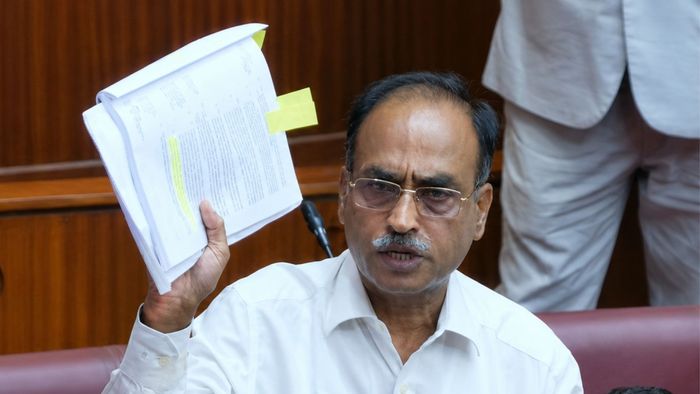
Lone Trinamool Congress MLA Sherman Ali Ahmed on May 27 staged a walkout from the Assam Assembly during discussions on the proposed Uniform Civil Code (UCC) Bill, alleging that the BJP-led NDA government had introduced the legislation with “malicious intention”.
Participating in the debate, Ahmed said several provisions of the draft law were acceptable, including fixing the minimum age for marriage and introducing regulations for live-in relationships. However, he argued that some clauses violated constitutional protections and religious principles.
“The government has brought this Bill with malicious intention, and as a mark of protest, I walk out of the House,” he said before leaving the Assembly.
The Assam government had tabled the UCC Bill on Monday, proposing a common legal framework on issues such as marriage, divorce, succession and live-in relationships, irrespective of religion. The Bill seeks to ban polygamy, make registration of live-in relationships compulsory and prescribe punishments including up to seven years’ imprisonment for bigamy or polygamy. Failure to register a live-in relationship could attract up to three months in jail.
The proposed law, however, excludes Scheduled Tribes residing in Assam from its ambit — a provision Ahmed questioned during his speech.
“If the law is to be uniform, why are tribals excluded?” he asked.
Ahmed also maintained that provisions relating to marriage were inconsistent with verses in the Quran. Claiming that Islamic teachings on multiple marriages were often “misinterpreted”, he said, “The Quran and what is written in it are main, and it should not be violated.”
While stating that he was initially prepared to support the UCC, Ahmed said broader consultations were necessary before introducing such legislation.
“The government cannot bring in a law violative of the Fundamental Rights with the excuse of leaning on Directive Principles of State Policy,” he said, adding that no electoral mandate could “overwrite the Constitution”.