Manas National Park discovers new flowering plant species, Osbeckia assamensis
Researchers Barnali Das and Namita Nath identified Osbeckia assamensis in Manas National Park. The discovery expands Assam's documented floral diversity and underscores the importance of habitat conservation.
- Oct 26, 2026,
- Updated Oct 26, 2026, 12:07 PM IST
Assam’s rich biodiversity has received a boost with the scientific identification of a new flowering plant species, Osbeckia assamensis, in Manas National Park.
Researchers Barnali Das and Namita Nath described the newly identified species in a study published in the botanical journal Phytotaxa on October 22. The discovery followed field surveys conducted between 2021 and 2025, during which the plant was recorded in scattered populations across the park’s grasslands.
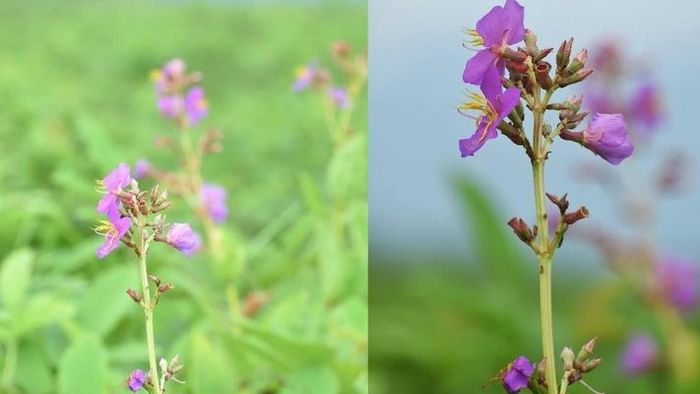
Belonging to the Melastomataceae family, Osbeckia assamensis is a perennial shrub that grows between two and 2.5 metres tall. It produces pink flowers measuring around 3 to 3.5 centimetres, with each cluster bearing approximately 30 to 35 flowers. The plant flowers and fruits between September and February.
The researchers confirmed its distinct identity through detailed examination of its physical characteristics and comparisons with related species and herbarium specimens. Although it resembles Osbeckia nayarii, differences in stem structure, flower arrangement, hairy calyx margins and seed size established it as a separate species.
The first reference specimen was collected in Manas on October 8, 2022, while another specimen was documented in October 2025.
The discovery highlights the ecological importance of Manas National Park and the scientific potential of Assam’s forests and grasslands, where further botanical research could reveal additional undocumented plant diversity.
The identification of Osbeckia assamensis adds to the documented floral diversity of Manas and reinforces the importance of conserving natural habitats that sustain the state’s rich biodiversity.