‘Miya' voters being singled out: Congress leader moves SC alleging communal misuse of Assam electoral roll revision
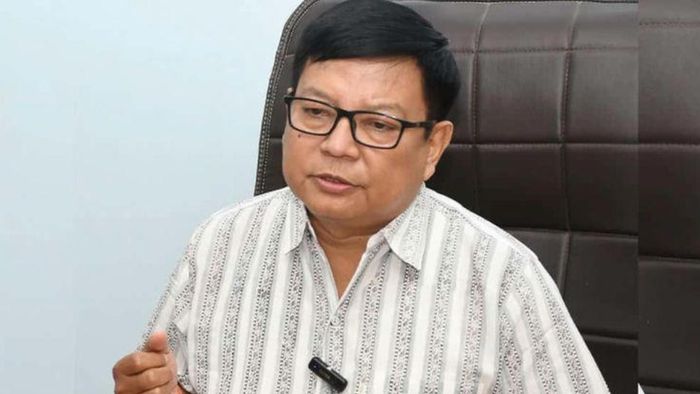
Senior Congress leader and Leader of the Opposition in the Assam Legislative Assembly, Debabrata Saikia, has approached the Supreme Court seeking suo motu cognisance of what he describes as the “systematic and communal misuse” of the ongoing Special Revision of electoral rolls in Assam, alleging that the process is being used to target and disenfranchise Miya (Bengali-origin Muslim) voters.
- Jan 28, 2026,
- Updated Jan 28, 2026, 10:02 PM IST
Senior Congress leader and Leader of the Opposition in the Assam Legislative Assembly, Debabrata Saikia, has approached the Supreme Court seeking suo motu cognisance of what he describes as the “systematic and communal misuse” of the ongoing Special Revision of electoral rolls in Assam, alleging that the process is being used to target and disenfranchise Miya (Bengali-origin Muslim) voters.
In a detailed representation addressed to the Chief Justice of India, Saikia claimed that the statutory process of electoral revision and the use of Form-7 under the Registration of Electors Rules, 1960, has crossed administrative limits and assumed the nature of a constitutional crisis. He alleged that the right to vote guaranteed under Article 326 of the Constitution is being undermined through arbitrary deletions, executive interference and selective targeting of a particular community.
The Congress leader cited public statements made by Chief Minister Himanta Biswa Sarma, alleging that notices under the Special Revision were being deliberately served on Miya voters to “keep them under pressure” and “make them suffer.”
According to Saikia, such statements amount to an open admission that electoral procedures are being weaponised for intimidation and communal mobilisation, thereby compromising the neutrality of the Election Commission of India.
The petition argues that many of the voters facing deletion are “ordinarily resident” in Assam under Section 20 of the Representation of the People Act, 1950, with several families residing in the state for decades and having appeared in earlier electoral rolls, including the 1996 revision conducted by the Election Commission itself. Saikia maintained that arbitrary deletions directly violate Section 62 of the Representation of the People Act, 1951, which guarantees the statutory right to vote.
Referring to specific instances from Nazira Assembly constituency in Sivasagar district, Saikia claimed that mass Form-7 applications were filed to delete genuine voters on fabricated grounds such as death or permanent migration. He alleged that politically affiliated individuals, including elected panchayat representatives, were involved in filing objections, while Booth Level Officers were being pressured to comply. The letter also flagged cases where Form-7 applications were left pending until publication of the final electoral roll, effectively denying affected citizens the opportunity to be heard.
Describing the developments as a direct assault on Articles 14, 19 and 21 of the Constitution, Saikia urged the apex court to intervene to protect the electoral rights of Miya voters and other affected citizens. He sought directions to ensure that the revision process is conducted strictly in accordance with law, without discrimination or political interference, and that no voter’s name is deleted without proper verification, notice and a reasoned order.
The plea also called upon the Supreme Court to lay down safeguards to prevent electoral revisions from being converted into tools of disenfranchisement or intimidation in any state, warning that continued misuse of the process poses a serious threat to the foundations of free and fair elections in the country.