Rajya Sabha biennial polls for 3 seats across Assam to be held on March 16: Election Commission
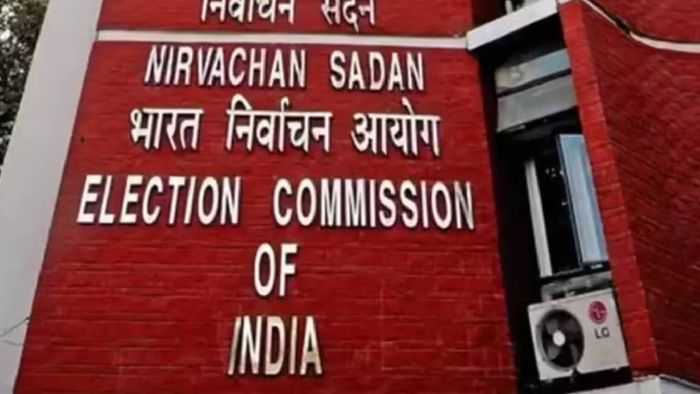
The Election Commission of India on Wednesday, February 18, announced the schedule for the biennial elections to the Rajya Sabha, setting the stage for polling across 10 states, including Assam. The exercise will fill 37 seats that are set to fall vacant in April 2026 as incumbent members complete their terms.
- Feb 18, 2026,
- Updated Feb 18, 2026, 12:01 PM IST
The Election Commission of India on Wednesday, February 18, announced the schedule for the biennial elections to the Rajya Sabha, setting the stage for polling across 10 states, including Assam. The exercise will fill 37 seats that are set to fall vacant in April 2026 as incumbent members complete their terms.
According to the official press note issued on February 18, the elections will be conducted in Maharashtra, Odisha, Tamil Nadu, West Bengal, Assam, Bihar, Chhattisgarh, Haryana, Himachal Pradesh and Telangana.
In Assam, three Rajya Sabha seats are due for election. The members whose terms are ending include Rameswar Teli, Bhubaneswar Kalita, and Ajit Kumar Bhuyan.
Polling in Assam is scheduled for March 16, with voting to take place between 9:00 am and 4:00 pm. The counting of votes will be conducted on the same day from 5:00 pm onwards. The entire election process is slated to conclude by March 20.
The Commission has laid out a detailed timeline for the electoral process:
Issue of Notification: February 26
Last Date for Filing Nominations: March 5
Scrutiny of Nominations: March 6
Last Date for Withdrawal: March 9
Date of Poll: March 16 (9:00 am – 4:00 pm)
Counting of Votes: March 16 (5:00 pm onwards)
Completion of Election Process: March 20
The biennial Rajya Sabha elections are conducted through an indirect voting system, where elected Members of Legislative Assemblies (MLAs) cast their votes using the system of proportional representation by means of the single transferable vote.
Strict Voting Protocol
In its press note, the Commission reiterated that only integrated violet colour sketch pens of pre-fixed specifications, supplied by the Returning Officer, will be permitted for marking preferences on ballot papers. The EC categorically stated that no other pen shall be used for marking preferences, underscoring its emphasis on procedural uniformity.
Additionally, the Commission has directed the appointment of observers and mandated adequate measures to ensure the smooth and fair conduct of the elections.
With 37 seats across 10 politically diverse states going to polls, the biennial elections could influence the arithmetic in the Upper House. As parties gear up for the contest, state-level equations and legislative strength will play a decisive role in determining the outcome.