Sarbananda Sonowal highlights Northeast’s maritime link with Bhutan
Union Ports, Shipping and Waterways Minister Sarbananda Sonowal on October 8 highlighted the Northeast’s potential to connect landlocked countries such as Bhutan with global markets through India’s inland waterways and maritime network.
- Oct 08, 2026,
- Updated Oct 08, 2026, 9:41 PM IST
Union Ports, Shipping and Waterways Minister Sarbananda Sonowal on October 8 highlighted the Northeast’s potential to connect landlocked countries such as Bhutan with global markets through India’s inland waterways and maritime network.
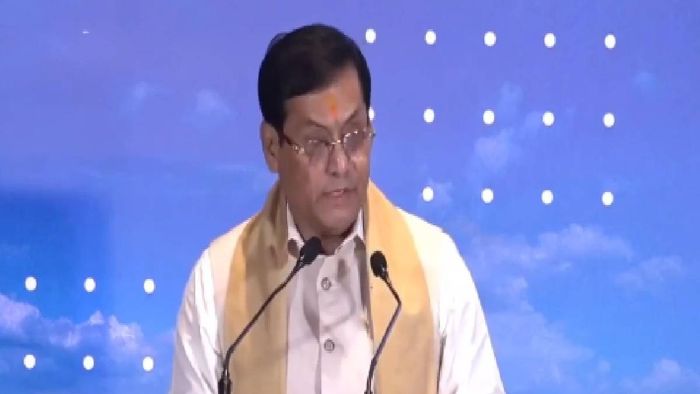
Speaking at the Sagarmanthan: The Great Oceans Dialogue in New Delhi, Sonowal said Bhutan’s interest in strengthening ties with India’s maritime network was linked to its access to the Brahmaputra and the Bay of Bengal through the Northeast.
“Supposing Bhutan, it is on the hilltop; there is no coastline, there is no sea, no big rivers, just mountains. Why do they want to build a relationship with us?” Sonowal said.
He explained that travelling around 150 km from Bhutan brings one to the Brahmaputra, which is part of the National Waterways network connecting to the Bay of Bengal and Bangladesh.
“That is the route. There is potential for cargo movement and demand for their finished products in the global market; that is why they are keen to join hands with us,” he said.
Sonowal said India’s maritime network could therefore serve not only coastal states but also landlocked countries by providing access to international trade routes.
Cochin Shipyard gets 40-plus foreign orders
The minister also highlighted the growing global demand for Indian shipbuilding, saying Cochin Shipyard Limited (CSL) has received orders for more than 40 ships from foreign countries, including Germany, the United States and Norway.
“We are creating a very, very comfortable ecosystem within the country,” Sonowal said, adding that Indian shipbuilders were gaining credibility in international markets.
He said the overseas orders reflected growing global confidence in India’s shipbuilding capabilities, quality of production and capacity.
The government has been pushing for a stronger domestic shipbuilding ecosystem as part of its broader maritime development strategy. The third edition of Sagarmanthan is focusing on trade, technology, sustainability and cooperation in the maritime sector.
Focus on maritime skills and green fuels
Sonowal also stressed the need for India's young population to acquire skills suited to the expanding maritime economy.
He said maritime education and training institutions, along with private-sector initiatives, were developing skills required for shipbuilding, ship repair, port operations and logistics.
The minister also highlighted emerging green fuels such as hydrogen, ammonia, methanol and e-methanol, saying their development was part of efforts to combat climate change and promote greener transport.
He urged young people to understand concepts such as green transport and the blue economy and participate in India's transition towards a more sustainable maritime sector.
“It's a question of eagerness and willingness,” Sonowal said, calling for greater awareness among young people about the opportunities emerging in the maritime sector.
The three-day Sagarmanthan dialogue, being held in New Delhi from October 7 to 9, has brought together policymakers, maritime leaders, shipbuilders, port authorities and experts from several countries to discuss the future of the global maritime sector.