Tiger population rises fourfold in Assam's Nameri Tiger Reserve
Assam said Nameri Tiger Reserve's tiger population rose from three in 2022 to 12 by the end of 2025, as validated by the Wildlife Institute of India. The development, along with the return of two tigers to Sonai-Rupai after decades, was described as a major conservation milestone for the state.
- Jul 03, 2026,
- Updated Jul 03, 2026, 3:04 PM IST
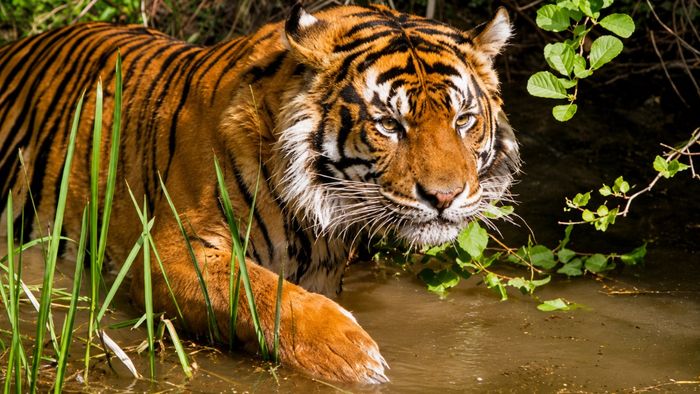
The tiger population in Assam's Nameri Tiger Reserve has increased fourfold in three years, rising from just three tigers in 2022 to 12 by the end of 2025, according to the latest assessment validated by the Wildlife Institute of India.
Sharing the development on Friday, July 3, Assam Forest and Environment Minister Jayanta Malla Baruah described the increase as a significant conservation milestone for the state.
"From just three tigers in 2022 to 12 by the end of 2025, Nameri Tiger Reserve has scripted a remarkable conservation success, validated by the Wildlife Institute of India," Baruah said in a post on X. He credited the achievement to sustained forest conservation efforts under the leadership of Chief Minister Himanta Biswa Sarma.
The minister also announced that two tigers have returned to the Sonai-Rupai Wildlife Sanctuary— the satellite core of the Nameri Tiger Reserve—after decades of absence, calling it another major milestone for wildlife conservation in Assam.
Nameri Tiger Reserve comprises the Nameri National Park, Sonai-Rupai Wildlife Sanctuary, and the Naduar and Balipara Reserve Forests. Nameri National Park, spread across around 200 square kilometres, forms the core area of the reserve, while the approximately 120-square-kilometre Sonai-Rupai Wildlife Sanctuary serves as its satellite core.
The increase in tiger numbers is being seen as a boost to Assam's wildlife conservation efforts and reflects the improving habitat and protection measures in the reserve.