Two new subterranean fish species discovered in Assam’s Goalpara
Two previously unknown subterranean fish species have been discovered in wells in Assam’s Goalpara district, marking a significant addition to scientific understanding of the region’s biodiversity, state Environment and Forests Minister Jayanta Malla Baruah said on October 21.
- Oct 21, 2026,
- Updated Oct 21, 2026, 4:16 PM IST
Two previously unknown subterranean fish species have been discovered in wells in Assam’s Goalpara district, marking a significant addition to scientific understanding of the region’s biodiversity, state Environment and Forests Minister Jayanta Malla Baruah said on October 21.
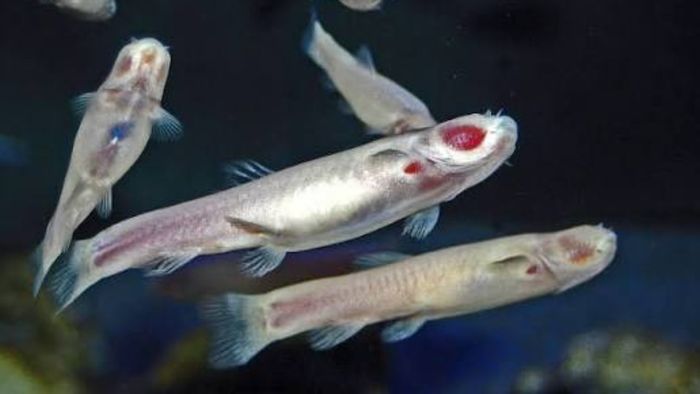
The newly identified species are Gitchak nakana, a tiny, transparent and blind loach, and Rakthamichthys anchi, a slender, eel-like fish belonging to the swamp eel family.
According to Baruah, Gitchak nakana measures around two centimetres and appears reddish because its transparent body exposes its blood and internal organs. Rakthamichthys anchi, meanwhile, is adapted to life in underground groundwater environments.
The specimens were collected by researcher Wimarithy K. Marak, who shared a photograph with her supervisor. The second species was discovered after one of her relatives came across another subterranean fish while cleaning a well, the minister said in a social media post.
The findings were supported by collaboration with international scientists, including the use of micro-computed tomography (micro-CT) scanning to examine the specimens in detail.
The discoveries highlight the importance of groundwater ecosystems, which remain relatively poorly understood despite supporting specialised forms of life. Researchers have withheld the exact locations of the discoveries to minimise the risk of exploitation, Baruah said.
He also stressed the need to protect underground habitats, warning that pollution affecting surface water can reach groundwater systems and threaten species that remain largely unknown to science.
The discoveries underscore the biodiversity potential of Assam and the importance of further research into its lesser-explored ecosystems.