Upper Assam ponds hide venomous insect threat, over 100 bite cases logged
A little-known aquatic insect, often ignored or even consumed by locals, has emerged as a potential hidden threat after a series of bite cases reported in Upper Assam, a medical expert revealed.
Manoj Kumar Ojha
- Apr 22, 2026,
- Updated Apr 22, 2026, 10:18 AM IST
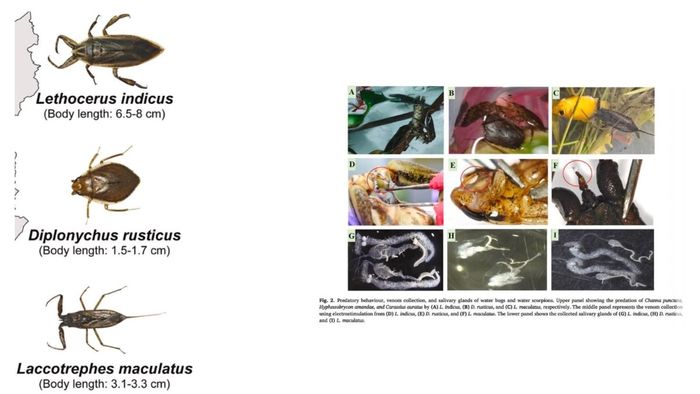
Dimou Rural Hospital in Upper Assam has treated around 100 bites from a little-known aquatic insect since 2018, with one fatality and nearly 28 patients developing serious wounds, a medical expert has disclosed.
Dr Surajit Giri, a social worker tied to the ICMR’s “Zero Snakebite Death” project at the hospital, flagged the risk on social media on Tuesday evening, April 21. The insect, about eight centimetres long and common in ponds, paddy fields, and wetlands, often goes unnoticed—or even eaten by locals in parts of Northeast India.
A recent case involved a 30-year-old trailer driver from Darikapar in Sivasagar district. He stepped into shallow water near a hilly route by the India–Myanmar border and suffered severe leg swelling and pain. “The patient did not realise he had been bitten. By the time he reached us on the third day, his condition had worsened significantly,” Dr Giri said.
Doctors used a temporary antivenom protocol; the man was discharged after five days but later faced a deep wound at the site. He has since recovered.
“We never imagined such a common insect could turn harmful under certain circumstances,” Dr Giri admitted. Hospital data shows about 70 per cent of cases involve only mild symptoms that resolve without treatment.
Dr Giri explained the biology: venom harms only if it enters the bloodstream, much like snake venom. “For a snake like the ‘Feti’ snake to cause serious harm, it must inject a lethal dose of venom,” he noted. Sub-lethal doses cause pain or swelling but rarely prove fatal. This insect follows suit—full venom delivery is uncommon, limiting severe outcomes.
Farmers and fishers face higher risks in the region’s waterlogged terrain. “Not every unseen bite underwater is from fish or thorns. There are lesser-known venomous organisms, and our understanding of them is still limited,” Dr Giri warned. He urged caution without panic: “Venom is venom, whether from a snake or a small insect.”
MORE NEWS
Read more!