‘When original is gone, what will putlaa do?’: Himanta targets Babri ‘dummy’ plan in Murshidabad
Assam Minister Himanta Biswa Sarma called the Murshidabad Babri Masjid plan a 'dummy' scheme, questioning its value. He urged for real solutions to address communal tensions and political challenges
- Feb 17, 2026,
- Updated Feb 17, 2026, 2:57 PM IST
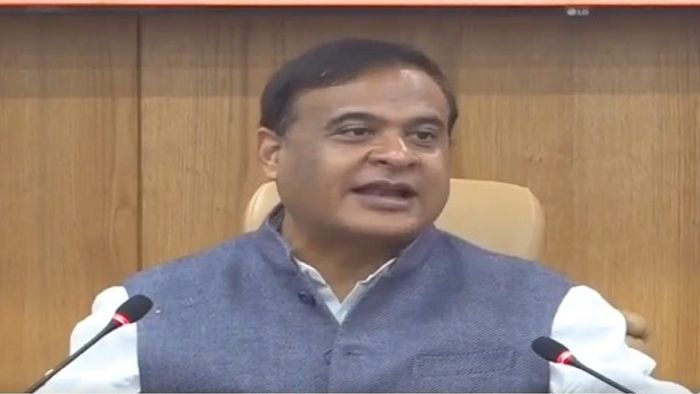
Assam Chief Minister Himanta Biswa Sarma has criticised suspended Trinamool Congress MLA Humayun Kabir over his announcement to build a structure modelled on the Babri Masjid in West Bengal’s Murshidabad district, describing the proposal as politically driven and symbolic.
Responding to questions from reporters in Mirzapur, Sarma said the proposed structure would be merely a “putlaa” (dummy). “It is a ‘putlaa’ of the Babri Masjid, not the original. When the original is gone, what will the ‘putlaa’ do?” he remarked.
Kabir, who recently floated the Janata Unnayan Party after his removal from the Trinamool Congress, began construction work last Wednesday at Beldanga in Murshidabad district. The mosque, planned at Rejinagar, is expected to be completed within two years at an estimated cost of Rs 50–55 crore.
According to Kabir, the project will come up on an 11-acre plot and is designed to accommodate around 12,000 people for namaz. He has described it as a major religious and community initiative.
The announcement has drawn sharp reactions from right-wing groups. The Vishva Hindu Raksha Parishad called upon people in Uttar Pradesh to march to Murshidabad in protest against the plan, raising concerns over possible communal tension.
The original Babri Masjid in Ayodhya was demolished on December 6, 1992 by a large group of kar sevaks, triggering nationwide unrest. The dispute over the site was settled by the Supreme Court on November 9, 2019. The court cleared the way for the construction of a Ram temple at the disputed site and directed that an alternative five-acre plot be allotted for the building of a mosque in the town.
Following the verdict, a Ram temple was constructed in Ayodhya by a trust formed for the purpose, marking the formal conclusion of one of the country’s most contentious legal and political battles.