Why vultures matter: BNHS holds awareness session in Assam school
BNHS has been actively engaging with schools across Assam to spread awareness about vulture conservation. Over the past year, the organisation has reached out to 160 schools in the state, working with students and teachers to help build a future generation that is informed and sensitive towards wildlife conservation.
- Jan 30, 2026,
- Updated Jan 30, 2026, 2:34 PM IST
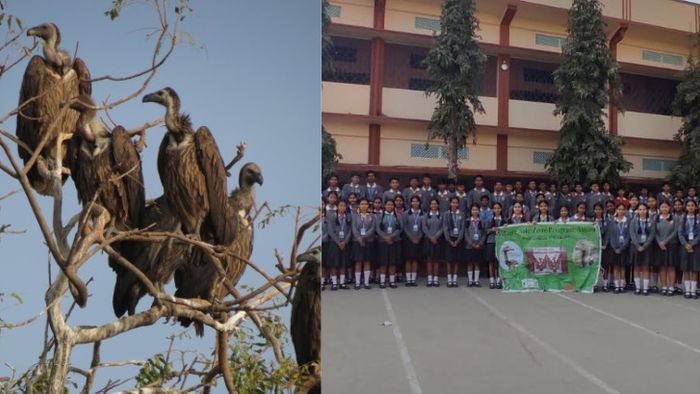
The Bombay Natural History Society (BNHS), one of India’s oldest wildlife conservation organisations, recently held an awareness session to educate schoolchildren in Assam about the urgent need to protect endangered vultures.
The interactive programme, conducted at a school in Biswanath district on January 28, was led by BNHS biologist Gitartha Borah. The session was attended by 91 students and five teachers and focused on the ecological importance of vultures and the impact of human actions on their decline.
Using visuals and simple explanations, the BNHS team explained the important role vultures play in nature by cleaning animal carcasses and preventing the spread of diseases. Students were also made aware of the serious threats faced by these birds, particularly the use of certain veterinary medicines.
During the presentation, Borah explained how non-steroidal anti-inflammatory drugs (NSAIDs) such as diclofenac, commonly used to treat cattle can be fatal to vultures when they consume carcasses of treated animals. The session encouraged students to ask questions and share their own experiences, turning the classroom into a space for active discussion.
“Sometimes students even inform us when they see a vulture. Through these programmes, awareness has spread, and there is a visible decline in the use of harmful drugs,” Borah said.
BNHS has been actively engaging with schools across Assam to spread awareness about vulture conservation. Over the past year, the organisation has reached out to 160 schools in the state, working with students and teachers to help build a future generation that is informed and sensitive towards wildlife conservation.
Beyond education, BNHS is also involved in hands-on conservation efforts across India. The organisation operates four Vulture Breeding Centres and several release centres, which together house around 700 vultures. Every year, captive-bred birds are gradually and carefully released into the wild, a process known as soft release. So far, 34 vultures have been successfully released in the Melghat, Pench and Tadoba Tiger Reserves in Maharashtra.
In Assam, BNHS is preparing for similar releases in the future. To create a safe environment for vultures, the organisation is working closely with local communities by educating chemists, veterinarians, farmers, cattle owners and schoolchildren about avoiding harmful drugs such as diclofenac, aceclofenac, ketoprofen and nimesulide.
For the students, the session ended with a simple but powerful message: saving vultures is not just the responsibility of scientists or wildlife experts. It is a shared responsibility, one that starts with awareness, care and everyday choices.