Rupee closes at record low of 96.35 against U.S. dollar amid oil price surge
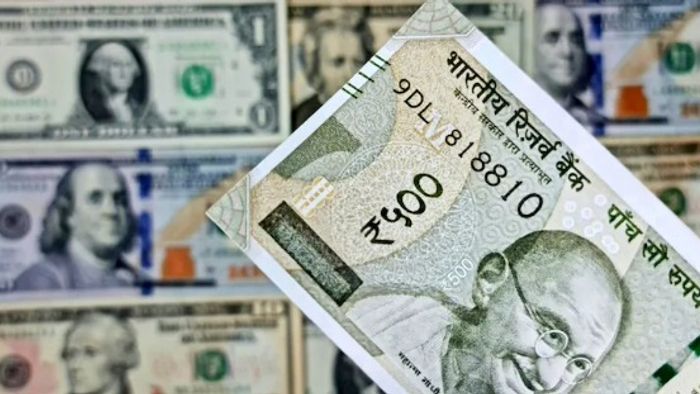
The Indian rupee weakened further on Monday, May 18, to close at a record low of 96.35 against the U.S. dollar, weighed down by rising crude oil prices, persistent geopolitical tensions, and continued strength in the American currency.
- May 18, 2026,
- Updated May 18, 2026, 5:01 PM IST
The Indian rupee weakened further on Monday, May 18, to close at a record low of 96.35 against the U.S. dollar, weighed down by rising crude oil prices, persistent geopolitical tensions, and continued strength in the American currency.
In the interbank foreign exchange market, the rupee opened at 96.19 against the U.S. dollar and slipped further to an intra-day low of 96.39 before settling at 96.35, down 54 paise from its previous close.
Forex traders said global market sentiment remained cautious amid ongoing tensions involving the U.S. and Iran, which have pushed up crude oil prices and added pressure on emerging market currencies, including the Indian rupee.
Analysts said higher crude oil prices increase India’s import bill and lead to greater demand for U.S. dollars, putting pressure on the domestic currency. Continued foreign portfolio outflows have also contributed to the rupee’s weakness.
The dollar index, which measures the strength of the U.S. currency against a basket of major global currencies, was trading at 99.14 during the session, while Brent crude futures rose to nearly $110 per barrel.
Market experts said the rupee may continue to trade with a weak bias in the near term due to a strong dollar, elevated U.S. treasury yields, and geopolitical uncertainty. However, possible intervention by the Reserve Bank of India and recent measures to curb non-essential imports could provide some support.
Meanwhile, India’s foreign exchange reserves rose by $6.29 billion to $696.99 billion for the week ended May 8, according to data released by the Reserve Bank of India.
The government has also recently raised import duties on gold and silver and imposed curbs on silver imports in an effort to contain foreign exchange outflows.