Election Commission completes first stage of EVM randomisation for 5 poll bound states including Assam
The Election Commission of India (ECI) has completed the first stage of randomisation of Electronic Voting Machines (EVMs) for the upcoming Assembly elections in five states and bye-elections in six others, officials said. The process was carried out through the EVM Management System (EMS) in the presence of representatives of recognised political parties.
- Apr 01, 2026,
- Updated Apr 01, 2026, 10:34 PM IST
The Election Commission of India (ECI) has completed the first stage of randomisation of Electronic Voting Machines (EVMs) for the upcoming Assembly elections in five states and bye-elections in six others, officials said. The process was carried out through the EVM Management System (EMS) in the presence of representatives of recognised political parties.
According to the Commission, the allocation of EVMs follows a two-stage randomisation mechanism designed to ensure transparency and impartiality in the deployment of voting machines. In the first stage, EVMs are randomly assigned from district-level warehouses to Assembly constituencies. In the second stage, machines are further randomised and allocated from the constituency level to individual polling stations.
The ECI stated that the first randomisation exercise has been conducted by District Election Officers (DEOs) strictly in accordance with prescribed guidelines. The process covered the Assembly elections in Assam, Kerala, Puducherry, Tamil Nadu and West Bengal, along with bye-elections in six states.
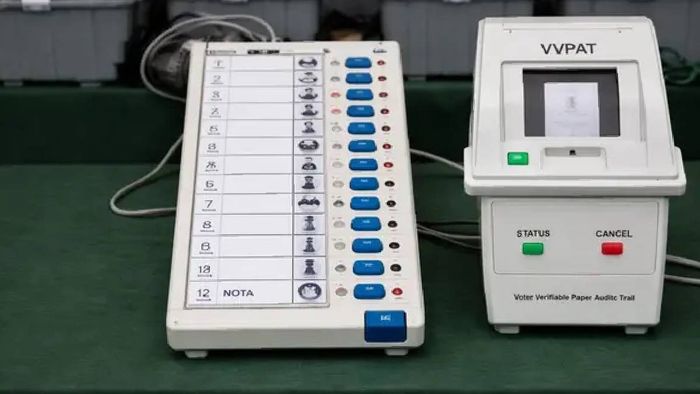
Approximately 8.85 lakh units of EVMs—including Ballot Units (BU), Control Units (CU), and Voter Verifiable Paper Audit Trail (VVPAT) devices—have been allocated through this initial phase of randomisation, the Commission said.
The presence of representatives from national and state-recognised political parties during the process is intended to reinforce confidence among stakeholders regarding the integrity of the electoral system.
The second stage of randomisation will be conducted closer to the polling dates, ensuring that the final allocation of machines to polling stations remains unpredictable and tamper-resistant.
The ECI has consistently maintained that the two-stage randomisation process, combined with administrative oversight and stakeholder participation, plays a critical role in safeguarding the credibility of elections conducted using EVMs.