International Mother Language Day observed worldwide to promote linguistic diversity
International Mother Language Day 2024 was observed globally to promote linguistic diversity and cultural heritage. Various events encouraged the use and respect of native languages worldwide.
- Feb 21, 2026,
- Updated Feb 21, 2026, 9:32 AM IST
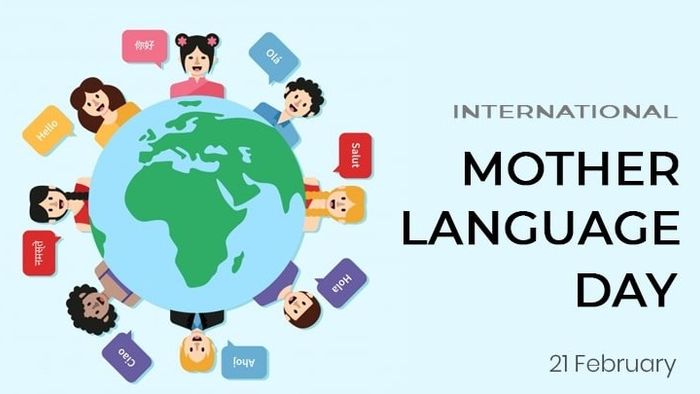
International Mother Language Day is observed globally on February 21 each year to promote awareness of linguistic and cultural diversity and to encourage multilingualism across communities.
The observance was first proclaimed by UNESCO on November 17, 1999, and was later formally recognised by the United Nations General Assembly through Resolution 56/262 in 2002. Since February 21, 2000, the day has been marked annually around the world.
The idea for International Mother Language Day originated in Bangladesh, in tribute to the Language Movement of 1952. On February 21 that year, students and activists in the then East Pakistan (now Bangladesh) sacrificed their lives while demanding recognition of Bengali as one of the state languages of Pakistan.
When Pakistan was created in 1947, it comprised two geographically and culturally distinct regions — East Pakistan (present-day Bangladesh) and West Pakistan (now Pakistan), separated by Indian territory. Despite the majority of the population speaking Bengali in East Pakistan, the government declared Urdu as the sole state language, sparking widespread protests that culminated in the historic Language Movement.
In recognition of this struggle, UNESCO declared February 21 as International Mother Language Day to honour those who fought to preserve their linguistic identity.
The day is also observed by Bengali-speaking communities in Indian states such as West Bengal, Assam, Jharkhand and Tripura, as well as in the Andaman and Nicobar Islands.
International Mother Language Day forms part of a broader United Nations initiative to preserve and protect all languages used by people worldwide, reinforcing the importance of cultural heritage, inclusive education and linguistic diversity in fostering mutual respect and understanding.