Russia shared intelligence with Iran to target US assets, say officials as Middle East conflict escalates
Russia has provided intelligence to Iran that could help Tehran target American military assets in the Middle East, according to US officials familiar with intelligence assessments, marking the first indication that Moscow may be indirectly involved in the ongoing conflict.
- Mar 07, 2026,
- Updated Mar 07, 2026, 8:43 AM IST
Russia has provided intelligence to Iran that could help Tehran target American military assets in the Middle East, according to US officials familiar with intelligence assessments, marking the first indication that Moscow may be indirectly involved in the ongoing conflict.
The information allegedly supplied by Russia could assist Iran in striking United States warships, aircraft and other military assets in the region, officials said, as fighting between Iran and Israel intensifies.
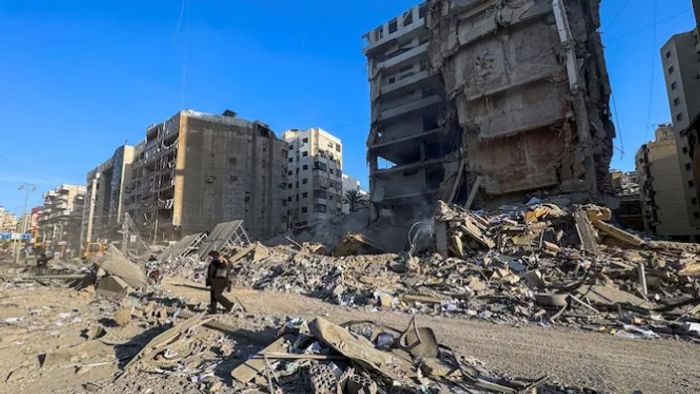
The conflict widened on March 6 as Israeli warplanes carried out airstrikes in Tehran and Beirut, while Iran launched another round of retaliatory missile and drone attacks targeting Israel and Gulf states hosting US forces.
Meanwhile, US President Donald Trump ruled out negotiations with Iran, calling for the country’s “unconditional surrender” in a post on social media. White House Press Secretary Karoline Leavitt later suggested that such a surrender could occur even if Iran was not in a position to formally declare it.
Trump also told media outlets that he wanted to play a role in choosing Iran’s next leader following the reported death of Supreme Leader Ali Khamenei earlier in the conflict.
The violence has resulted in heavy casualties across the region. Officials say at least 1,230 people have been killed in Iran, more than 200 in Lebanon and around a dozen in Israel. Six US troops have also died during the fighting.
The United States Central Command said early Friday that American forces struck an Iranian drone carrier, setting the vessel on fire. Footage released by the command showed the burning ship, though Iranian authorities had not immediately acknowledged the attack.
In eastern Lebanon, Israeli airstrikes near a mountain town killed at least three people and injured 16 others, according to the country’s health ministry. The Israeli military had earlier issued evacuation warnings for several villages in the area, including the Hezbollah stronghold of Nabi Chit.
The US also approved a new USD 151 million arms sale to Israel, including 12,000 1,000-pound bombs, citing an emergency need for the munitions. Secretary of State Marco Rubio waived the usual congressional review process for the transfer.
Elsewhere in the region, Saudi Arabia said it intercepted a ballistic missile targeting the Prince Sultan Air Base near Riyadh and destroyed four drones headed toward the Shaybah oil field in the kingdom’s vast Empty Quarter desert.
Iran’s ambassador to the United Nations, Amir Saeid Iravani, accused the United States and Israel of committing war crimes by targeting civilian areas across Iran. He said Tehran does not seek escalation but would take all necessary measures to defend its sovereignty.
Meanwhile, Russia’s President Vladimir Putin held a phone call with Iranian President Masoud Pezeshkian, expressing condolences over the death of Khamenei and civilian casualties caused by what the Kremlin described as US and Israeli aggression. Putin also reiterated Moscow’s support for an immediate ceasefire and a return to diplomatic negotiations.
As the conflict spreads across the region, airspace disruptions and attacks on energy infrastructure have intensified concerns about global security and oil supplies. Qatar announced a partial resumption of flights after intercepting several drones, while airlines including Air Canada suspended flights to Tel Aviv and Dubai due to security risks.
Humanitarian agencies have also warned of a growing crisis, with more than 100,000 people displaced in Lebanon amid Israeli evacuation warnings and ongoing airstrikes.
UN humanitarian chief Tom Fletcher cautioned that the widening war could divert global attention and funding away from other major crises, including those in Gaza, Ukraine and Sudan.