Negative people in your life may make you age faster: Study
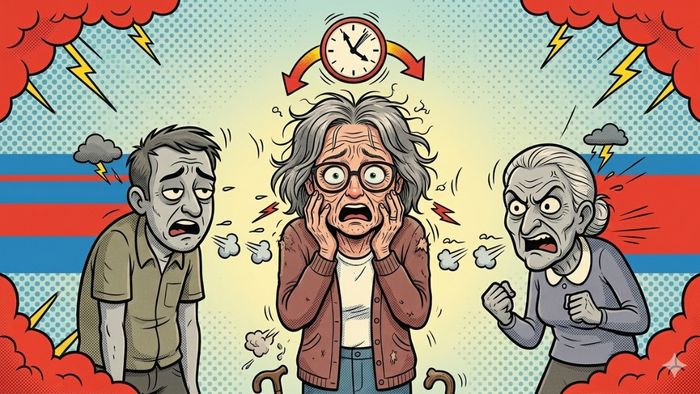
People known as "hasslers"—disruptive figures in one's close social circle—drive faster biological ageing, according to new research. Each additional hassler links to about 1.5 per cent quicker ageing pace and roughly nine months older biological age.
- Mar 10, 2026,
- Updated Mar 10, 2026, 9:28 PM IST
People known as "hasslers"—disruptive figures in one's close social circle—drive faster biological ageing, according to new research. Each additional hassler links to about 1.5 per cent quicker ageing pace and roughly nine months older biological age.
The effects hit hardest when the hassler is family, researchers report. Women, daily smokers, those in poorer health, and individuals with adverse childhood experiences face higher odds of such negative ties.
Nearly 30 per cent of participants in the study reported at least one hassler. "Importantly, exposure to negative social ties follows patterns of social and health vulnerability, with women, daily smokers, people in poorer health, and those with adverse childhood experiences more likely to report having hasslers in their networks," the authors wrote in Proceedings of the National Academy of Sciences.
"Having more hasslers is associated with accelerated biological ageing in both rate and cumulative burden: Each additional hassler corresponds to approximately 1.5 per cent faster pace of ageing and roughly 9 months older biological age," they added.
Experts from New York University and elsewhere analysed saliva samples from 2,345 adults in Indiana, US, measuring DNA methylation—a key marker of gene expression often disrupted in diseases like cancer. Data came from the Person-to-Person Health Interview Study (P2P).
Hasslers often sit on the network fringes, linked by single-thread ties like business alone. The team cautions that these ties do not directly trigger ageing; stressed individuals might instead provoke more negativity.
The work flags negative social links as chronic stressors, akin to those fuelling inflammation and gene changes. Authors call for interventions to cut harmful exposures and support healthier ageing.