Centre resumes SoO talks with Kuki-Zo groups in Delhi after two-month gap amid fresh Manipur tensions
The Centre on April 30 resumed talks with Kuki-Zo armed groups under the Suspension of Operations (SoO) agreement after nearly a two-month pause, as efforts continue to stabilise the fragile security situation in Manipur following fresh ethnic tensions.
- May 01, 2026,
- Updated May 01, 2026, 7:25 PM IST
The Centre on April 30 resumed talks with Kuki-Zo armed groups under the Suspension of Operations (SoO) agreement after nearly a two-month pause, as efforts continue to stabilise the fragile security situation in Manipur following fresh ethnic tensions.
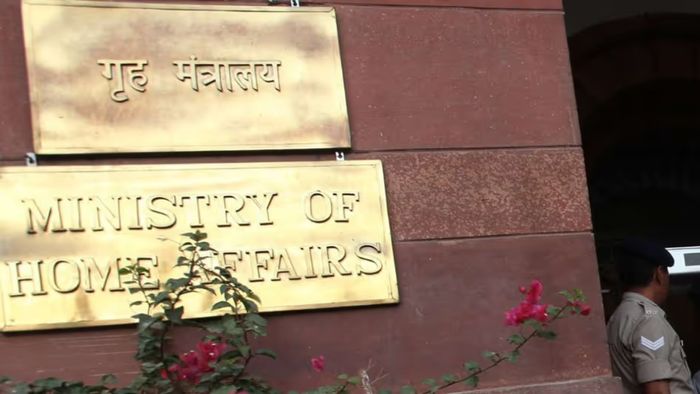
The meeting, convened by the Ministry of Home Affairs in New Delhi, was the first formal round of engagement since renewed unrest in parts of the state. It was chaired by A.K. Ajit Lal, the newly appointed interlocutor for Northeast peace talks and former senior Intelligence Bureau officer, who recently succeeded A.K. Mishra.
Senior officials from the Intelligence Bureau, security agencies and the Manipur administration, including the Home Secretary and Additional Director General of Police, were present. Delegations from the Kuki National Organisation (KNO) and the United People’s Front (UPF), both signatories to the SoO pact, represented the Kuki-Zo side.
The day-long discussions were held in two phases. During the first session, talks focused on security and operational matters, especially the location and functioning of designated camps housing SoO cadres. Both sides reportedly agreed in principle on relocating certain camps to reduce friction with nearby populations and improve security management.
Representatives of the Kuki-Zo groups also raised concerns over continuing unrest in Ukhrul district, alleging threats to civilians and incidents of village burnings in recent weeks. They sought urgent intervention and confidence-building measures.
The post-lunch session centred on political demands, with Kuki-Zo groups reiterating their long-standing demand for a Union Territory with legislature for the hill areas they inhabit.
The delegations cited historical, political and developmental grievances, alleging unequal distribution of resources, inadequate infrastructure in hill districts, poor access to healthcare, roads, education and drinking water, and lack of accountability over violence since May 2023.
They argued that the scale of ethnic conflict and the breakdown of trust between communities had made a return to the pre-2023 status quo untenable.
Interlocutor A.K. Ajit Lal reportedly assured the delegations that their concerns and political demands would be conveyed to higher authorities. The Centre reiterated that its immediate priority remains restoration of peace, deployment of Central forces where necessary, camp rationalisation and continuation of dialogue within the constitutional framework.
The resumption of talks is being viewed as a significant step in efforts to prevent further escalation and revive the peace process in Manipur, which has witnessed one of its most severe ethnic conflicts in recent decades.